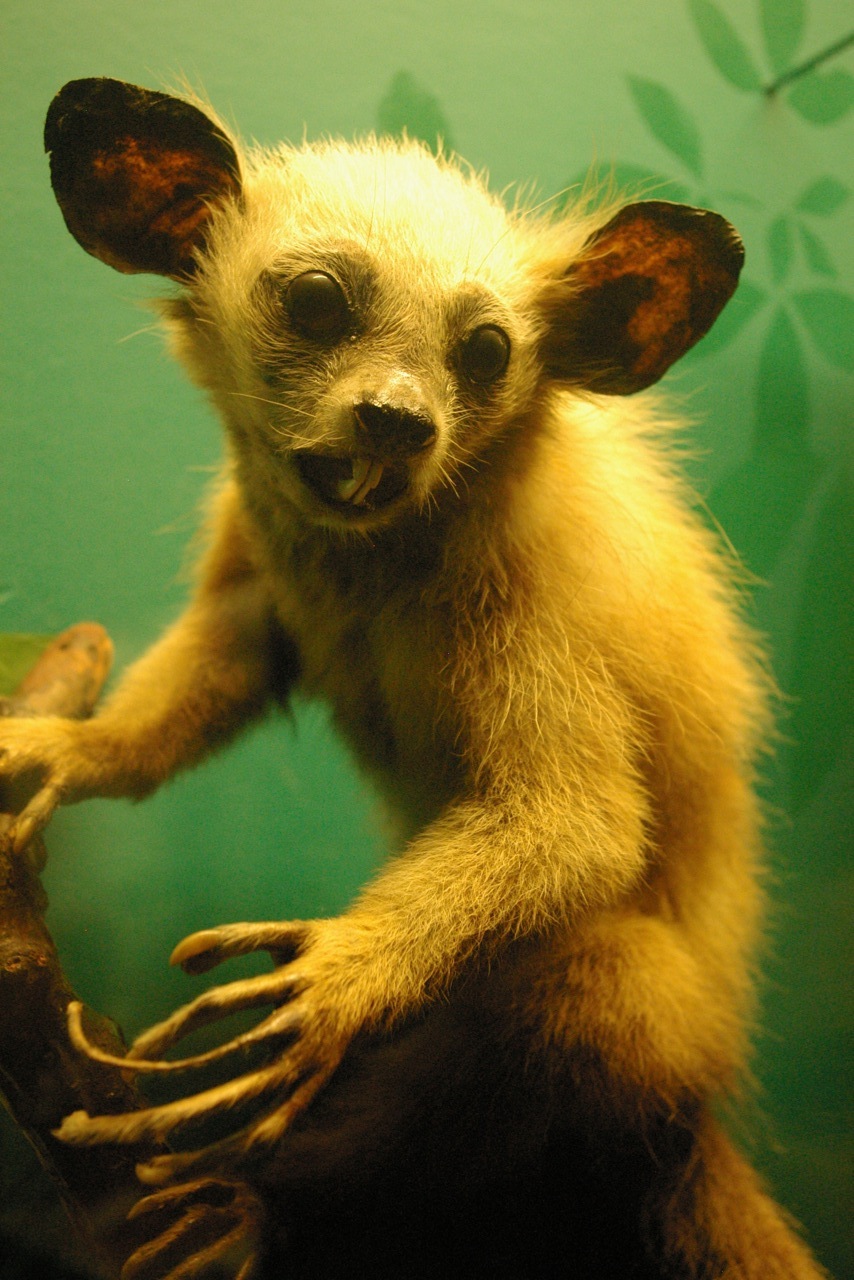
an aye-aye – one of the highly endangered lemurs dependent on moist tropical forests of Madagascar; photo by Andrew Ciscel via Wikimedia
A forthcoming study examines two important issues: interactions of pathogens’ spread and changing climate, and invasive species threats to tropical islands’ forests.
Underwood et al. (in press) analyzed how an introduced vascular wilt pathogen — Leptographium calophylli – is likely to affect a tree endemic to Madagascar’s already threatened mid-level elevation humid & subhumid forests, Calophyllum paniculatum (sorry; I can find no photographs of the tree species).
Climate change is expected to cause substantial shifts in temperature and precipitation patterns on the island. These temperature and moisture regimes in turn govern pathogen sporulation, infection efficiency, and survival. They also affect the host’s levels of stress and defenses. The direction of change is not certain, however. In some cases, warming and other changes to the climate might facilitate a pathogen’s spread, allowing it to track shifts in the host’s range and expand into previously unoccupied refugia. In other cases, these changes might erect environmental thresholds that limit the pathogen’s survival and spread, thereby creating spatial refugia for the host.
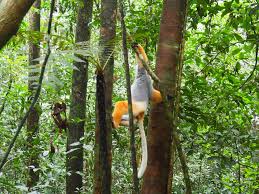
diademed lemur, courtesy of Animalia
Environmental change increases the area of suitable landscape, that is, it weakens climatic barriers to establishment. Continued anthropogenic movement of some vector (biological or not) generates multiple introductory events over time. As a result, the likelihood of a successful establishment also increases, even if the probability per individual introduction is unchanged. Underwood et al. say that invasion outcomes thus become increasingly dependent on propagule pressure.
On many other tropical islands the threat from climate change is exacerbated by deforestation. On Madagascar, clearing driven by slash-and-burn agriculture and fuelwood harvesting has already reduced natural forest cover to less than 10% of its original extent. [For more on this topic, see e.g., Mittermeier et al. (2011).] Underwood et al. cite a determination by the ForestAtRisk model that humid forest in Madagascar could be almost entirely lost by 2100.
Loss of Madagascar’s forest has global implications. The island is one of 36 global biodiversity hotspots for both flora and fauna (e.g., lemurs). Its flora exceeds 12,000 plant species, of which 83% are endemic. In this case, the host tree species — Calophyllum paniculatum — is already considered vulnerable by the International Union for the Conservation of Nature (IUCN). Thus it is of global importance to understand the relative importance of several threats so that conservations can adopt the most effective countermeasures.
While they do not say so explicitly, it appears that Underwood et al. worry that too few of the conservationists active on Madagascar are paying attention to the possible impact of introduced pathogens. They note that pathogen-driven mortality of dominant or functionally unique trees can rapidly alter community structure and ecosystem function, potentially triggering local extinctions and cascading ecological consequences. For example, if an infection removes mature trees, their loss reduces fruit and nectar availability and so depresses populations of dependent wildlife. The trees’ death also diminishes above-ground carbon stocks and litter inputs. In combination, these impacts can shift community composition toward disturbance-tolerant states and heighten susceptibility at forest margins. These changes difficult to reverse once thresholds crossed.
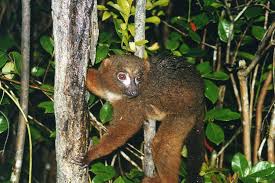
red-bellied lemur in Ranomafana National Park – site of the first detection of Leptographium calphylli; via Flickr
This threat is not hypothetical. Since 2016 mature C. paniculatum at one site – a National Park – have been dying from a vascular wilt disease caused by a species in the Leptographium genus, probably Leptographium (formerly Verticillium) calophylli. While the species hasnot yet officially been recorded in Madagascar, it is established on neighboring Indian Ocean islands and across much of mainland Africa. Various species in the fungal genus are known to cause disease in other woody hosts. Underwood et al. suggest it was probably transported to Madagascar on infected wood, although they present no data.
Inside forests, Leptographium spp. are vectored by bark beetles in the Cryphalus genus. At least 25 Cryphalus species occur on the African Continent; some are vectoring disease on Seychelles and Mauritius.
The analysis by Underwood et al. indicates that future climatic conditions are likely to worsen the Leptographium calophylli infection over coming decades. The causal agent is likely to retain two-thirds of its current probable distribution and expand into previously uninhabited regions. The suitable habitat is expected to stretch across the entire north-south humid belt – the entire distribution of the host tree. Underwood et al. (in press) say it is even possible that the pathogen might remain in the forest, subsisting on other hosts, after C. paniculatum becomes functionally extinct across its range.
Meanwhile, that host – Calophyllum paniculatum – is projected to experience severe range shifts, with an overall net contraction across all climate change scenarios. It is forecast up to 67% of its current area by 2100. This range contraction will be compounded by fragmentation and dispersal limitation resulting from from deforestation. The refugia will be few and geographically isolated by late in the 21st century.
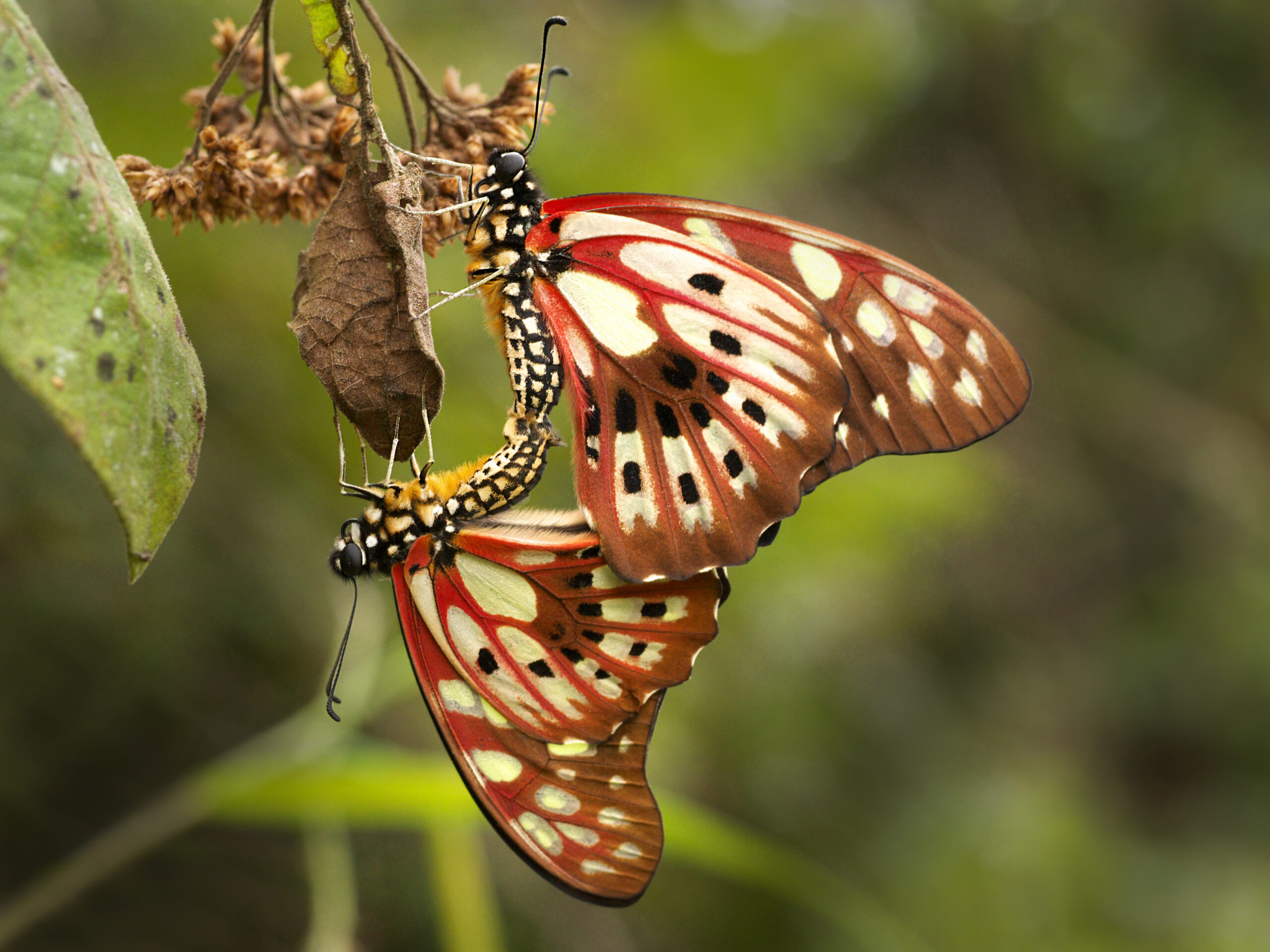
red-veined swallowtail; photographed in Ranomafana National Park by Frank Vassen, via Wikimedia
Are conservationists considering the implications of Leptographium calophylli’s probable persistence? Underwood et al. imply they are not; they say the impact of this and related pathogens on Madagascar & nearby islands is “still an unknown to the conservation community”. They urge their colleagues to conduct a set of research actions to identify, monitor, & limit the fungus’ spread – – and thereby improve the effectiveness of conservation efforts.
Host range & other targets: determine whether L. calophylli infects other taxa in Madagascar – especially the endemic species and genera. They suggest systematic field sampling of multiple species across sites within the core probable range of L. calophylli. A trained pathologists should be consulted to officially identify the pathogen.
Determine the spread phase of the pathogen. They suggest random sampling of species & sites within & outside of the fungus’ probable distribution, mapping the possible start point & dispersal patterns, including both anthropogenic & natural spread routes.
Assess applicability of IPBES tools & suggestions for invasive species management to the case of a fatal pathogen in the context of tropical islands’ characteristics. How might Madagascar implement prevention, early detection & rapid response systems?
I applaud Underwood et al. for trying to alert the conservation community active on tropical islands to the simultaneous impacts of multiple global & regional change drivers on vulnerable species. Probably other host-pathogen systems are experiencing the same diverging trajectories that might intensify their biodiversity loss, particularly when compounded by deforestation.
SOURCES
Mittermeier, R.A., E.E. Louis Jr., M. Richardson, C. Schwitzer, O. Langrand, A.B. Rylands. 2010. Lemurs of Madagascar. Conservation International, Arlington, USA. ISBN 9781934151235
Underwood, E.L., K.A Brown, A. Ronnfeldt, M. Mulligan, N. Walford, R. Allgayer. In press. Climate change facilitates fungal pathogen expansion while driving endemic host range contractions in a tropical biodiversity hotspot. Research Square.
Posted by Faith Campbell
We welcome comments that supplement or correct factual information, suggest new approaches, or promote thoughtful consideration. We post comments that disagree with us — but not those we judge to be not civil or inflammatory.
For a detailed discussion of the policies and practices that have allowed these pests to enter and spread – and that do not promote effective restoration strategies – review the Fading Forests report at http://treeimprovement.utk.edu/FadingForests.htm
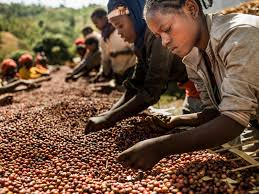
sorting coffee beans; photo by Niels Van Iperen via Wikimedia
Many have recognized that preventing introduction of invasive species is the most efficient approach to minimizing their ecological and economic impacts. Prevention requires many capacities, including control over a country’s borders, strong border biosecurity agencies and policies, and foreknowledge of probable pathways of introduction and high-impact species that might arrive.
Horizon scanning is one tool for gathering information about non-native species likely to enter, how they might arrive, and their probable impact. Horizon scanning involves a systematic search for potential invaders, assessment of their potential to harm BD, economic activities and human health, and opportunities for impact mitigation. It thus supports choice of prevention policies, targetting of efforts, and implementation of early identification and eradication procedures (Kenis et al. 2022; Martinou et al. 2026)
I have reviewed two case studies of the application of horizon scans.
Plant Pests in Ghana
One horizon scanning exercise aimed to identify and rank potential invasive non-native plant pest species that could be harmful to agriculture, forestry, and the environment in Ghana. The ultimate objective was to enable prioritization of actions aimed at preventing their introduction. As the participants in this exercise note (Kenis et al. 2022), the resource-poor farmers of Sub-Saharan Africa are particularly vulnerable to invasive pests that attack their crops, both those grown for subsistence e.g., maize and sorghum, and those grown for the international market, e.g., cacao and tomatoes. The continent’s vulnerability is increased by porous borders, weak cross border biosecurity, and inadequate capacity to limit or stop invasions. This exposes Africa both to repeated invasions and to continued spread across the continent once they have arrived.
Marc Kenis and 21 others assessed 110 arthropod and 64 pathogenic species using a simplified pest risk assessment. This set had been winnowed from an initial list of 1486 arthropods, nematodes and pathogens. Unfortunately, assessors were unable to agree on confidence levels for the assessments.
Sixteen of the assessed species – 14 arthropods and two pathogens – were thought at the time to not be on the African continent. Another 19 arthropod and 46 pathogenic species had been reported established in the neighboring countries of Burkina Faso, Côte d’Ivoire, and Togo. Seventy-seven species [62 of them pathogens] were recognized as established elsewhere in Africa.
Ninety-five percent of the arthropods were considered likely to arrive as contaminants on commodities, i.e. on their host plants; 23% were also likely to arrive as stowaways; some good fliers already present in neighboring countries could also enter unaided.
The 64 pathogen species included 14 bacteria, 16 fungi, 14 nematode, seven water moulds (Kingdom: Chromista), and 13 viruses. Sixty-two of these species have been detected on the African continent; 46 are reported in neighboring countries. Thirty-one (48.4%) of the pathogenic organisms were considered likely to arrive both as contaminants on commodities and/or as stowaways; Twenty-six (40.6%) probably arrive only as contaminants; five could arrive exclusively as stowaways. Kenis et al. (2022) specify which of the fungi, nematodes, viruses, bacteria, and water moulds fall into which category.
The most important input in the threat scoring process was likelihood of entry. The unsurprising result was that species known to be in neighboring countries or spreading rapidly in Africa received the highest overall scores. The likelihood of establishment was less important because the assessors had already excluded species they thought would encounter an unsuitable climate or absence of host plants. The impact score played an important role in the overall score; it was based primarily through their potential economic impact. There is little information about or attention to the potential threat of non-native plant pest species to non-commercial plants. Kenis et al. (2022) cite well-known examples to remind us that invasive plant pest species have had “huge impacts” on native tree species and biodiversity in North America and Europe. On the African continent, most non-native pests attack mostly concern exotic trees. They note one exception, Euwallacea fornicatus, DMF a wood-boring beetle from Asia killing many native trees in South Africa.
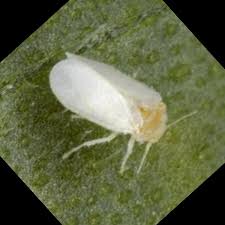
Bemisia tabaci; one of the arthropod pests in a country bordering Ghana; photo courtesy of INCTELUNI
Kenis et al. (2022) state that some of the several alien arthropods and pathogens identified in neighboring countries might already be present in Ghana although not yet recorded or identified to the species level. They say it is essential to clarify these species’ status by enhanced surveillance and applying morphological and molecular methods. Some of these possibly introduced species received high scores in the assessment. They threaten cocoa, a key crop in Ghana, and vegetable crops.
I am disappointed that Kenis et al. (2022)’s main actions suggested for both arthropod and pathogenic species that scored highly are to ramp up surveys and to conduct full pest risk analyses. It is true, as thy point out, that such assessments are required by international regulations before a country may implement phytosanitary measures. [See discussion of the requirements of the International Plant Protection Convention here.]
To some extent, the horizon scan echoed the obvious: most of species ranked high are already on the African continent, including 19 arthropod and 46 pathogenic species known to be established in neighboring countries. Plus, the recommended actions are minimal. Since Kenis et al. (2022) is essentially the scan itself, it provides no information on whether Ghana has implemented the recommendations. Still, given what I assume is lagging preparation across most of Africa, the horizon scan might be useful in encouraging countries to set priorities and take some action.
Cyprus
The second case study of applying horizon scanning is more encouraging. Scientists on Cyprus tried to assess the efficacy of their own horizon scanning exercise. I applaud their decision to do so. The horizon scan itself might have been undertaken on their own initiative? Or it might have been taken on in response to European Union regulations, which oblige Member States to enact measures to prevent or manage introduction and spread of invasive species designated as of Union Concern. The Union also encourages development of national invasive species lists and provides a legal basis for emergency measures in response to a detection.
Scientists carried out two horizon scan workshops in 2017 and 2019. The two workshops evaluated 225 and 352 species, respectively, to predict which are most likely to arrive and the level of provable impact to Cyprus’ biodiversity, human health, and economy. In 2023, four to six years after the workshops, scientists evaluated the listed species to reveal the accuracy of the predictions and actions taken so far (Martinou et al. 2026).
During the period 2017 – 2023 there were 183 Martinou et al. (2026) found publications naming 183 non-native species not previously officially detected in Cyprus. (As I will discuss later, a significant number of these species had been present on the island in 2017 but knowledge of their presence did not reach the assessors.) Of the 183 newly reported species, 31 had been included on some list of invasive species (e.g., EPPO or European Union list of species “of Concern”) or predicted by the horizon scanning exercises to rank amongst the top 100 riskiest species.
Cyprus’ horizon scans highlighted the risk posed by 10 of these 26 species. Martinou et al. (2026) focused on seven of them as having been ranked as high risk to the nation’s BD, human-health or economy. They added an eighth species, a venomous marine fish.
A further 10 species that were detected in the country had received lower impact scores, so they had not been included on the high priority lists of the horizon scans.
One of the species allotted a lower impact score, Spodoptera frugiperda, is under eradication, although it is widely distributed on the island. This action might be in response to the species’ inclusion on the EPPO A2 list.
As I noted above, scientists learned that 17 of the species had been present in Cyprus before the scanning exercises were undertaken but since their presence was then unknown to the participants, they were assessed as if still had not been introduced. This points to the country’s non-native species checklists not being fully up to date at the time.
Nine plant species common in the plant trade were most certainly present on Cyprus before the horizon scans (2017), but there were no published reports of their escape from cultivation. Nevertheless, they might have already been present in the wild. It is also possible that at least some escaped since the scans. Always tricky; always depends on who looking where.
Actions upon detection of specific taxa Detection of the common myna (Acridotheres tristis) – a species widely recognized as invasive – occurred in January 2022, close to a port. Eradication measures were implemented by the wildlife agency. Martinou et al. (2026) believe the introduction was facilitated by shipping. They think there is an extremely high risk of repeated introductions of mynas.
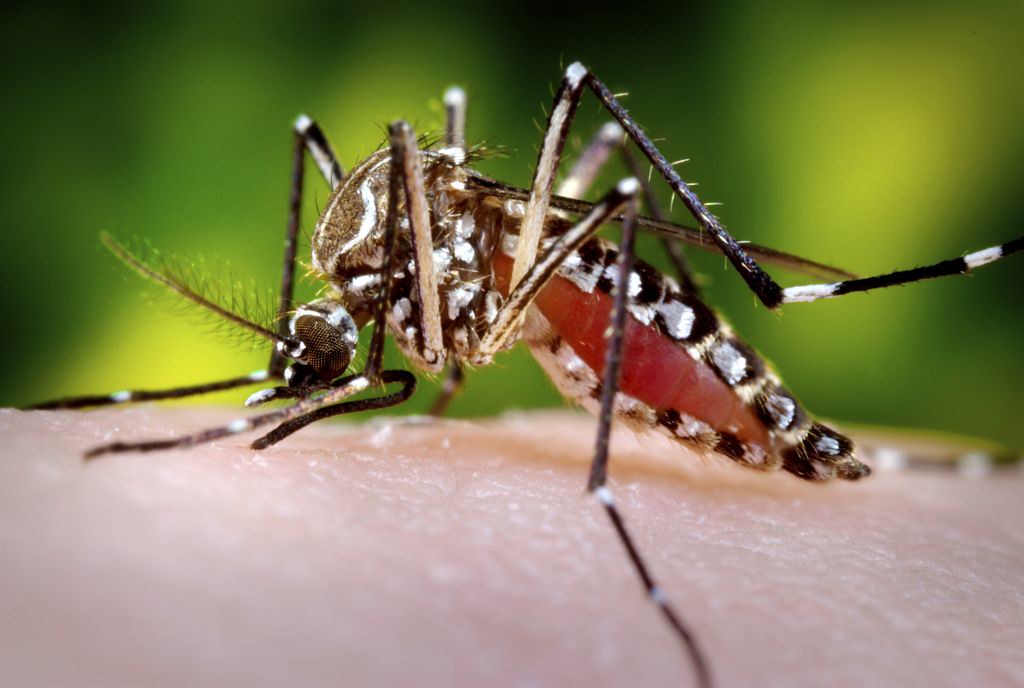
Aedes aegypti; photo by James Gathany via Flickr
Two mosquitoes were detected in 2022. A pilot project to eradicate The yellow fever mosquito, Aedes aegypti, was begun in 2023. There is no information about its success. The Asian tiger mosquito, Aedes albopictus, has been documented by citizen scientists as spreading rapidly in the suburbs of Limassol and Nicosia. To date the proposed interventions have been unsuccessful, possibly due to focusing on public land while the mosquitoes can also breed on private properties. Detection of the little fire ant Wasmannia auropunctata (in 2022) was not surprising since it had already invaded other regions of the Mediterranean. Martinou et al. (2026) believe the introduction was probably facilitated by the plant trade. The scientists note that ant management and eradication efforts are both challenging and costly, but do not report whether any has been initiated. Detection of several marine invasive species was reported, some by citizens, e.g., divers or fishermen. Among the 17 species determined to have been present on the island since before 2017 were some fairly conspicuous vertebrates: brown rat (Rattus norvegicus), raccoon Procyon lotor, two tortoise species, house crow (Corvus splendens) ruddy duck (Oxyura jamaicensis). Also two more ant species, Solenopsis geminata and Trichomyrmex destructor. There were also several non-native plant species, including the notorious seaweed Caulerpa taxifolia.
Value of the Horizon Scan I am surprised that Martinou et al. (2026) do not explore why so many detections were published in 2022 since they assert that horizon scanning helped raise awareness amongst the authorities, scientists and the public. They do note that this awareness led, in some cases, to a rapid response by the competent authorities. Martinou et al. (2026) assert further that the exercise facilitated communication between invasive species experts, policy makers and society, encouraged active engagement and raised awareness regarding the importance of early warning, rapid response, and management of IAS. They therefore propose that the horizon scanning process for the island of Cyprus be repeated regularly – every five to 10 years – since new introductions continue. These efforts should include development pathway management plans and contingency planning that would be shared with local authorities and stakeholders.
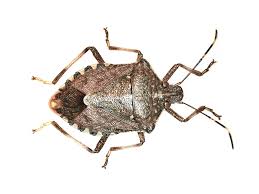
Martinou et al. (2026) note two detections that have not, apparently, resulted in establishment. A dead specimen of brown marmorated stink bug (Halyomorpha halys) was reported in luggage in May 2022, the result of ‘Bug Alert Cyprus’ awareness campaign. The Colorado potato beetle (Leptinotarsa decemlineata) was detected in 2010 by Department of Agriculture inspectors in a consignment of potatoes. The agency ordered immediate destruction. Imports of potatoes are subject to special phytosanitary requirements for protected zones. It is not clear that this measure was implemented by Cyprus or is a European Union decree.
brown marmorated stinkbug; courtesy of Oregon Department of Agriculture
Martinou et al. (2026) are worried that no introductions have been reported at border crossings across the ‘Green Line’ [the United Nations-controlled buffer zone between Greek and Turkish portions of the island]. They call for enhanced cross-community collaboration and improved information and data sharing for border control staff and customs officers about invasive species. They suggest that border order inspections and pathway monitoring could be supported by local experts offering identification services for a variety of taxa. They suggest that the horticultural industry is a major pathway for the introduction of plants and insects such as ants.
Martinou et al. (2026) also advocate efforts to improve communication among the various institutions and authorities that discover bioinvasions and are responsible for taking action. While researchers + experts from government departments involved in the horizon scans are informed, the findings of the horizon scanning needs to be provided to e.g., customs officers, fishers, ship crews, pet shop owners, and school teachers. Much of this information might be exchanged through informal networks and through a growing body of web-based databases and other resources.
Early detection and rapid response depends increasingly on efforts by citizen scientists to report observations of IAS of concern. Martinou et al. (2026) note that six of the invasive species identified in the horizon scanning exercise were reported by citizen scientists. They express the hope that artificial intelligence and deep learning models could help identify species from photographs collected by citizen scientists on platforms such as iNaturalist. Such platforms also facilitate rapid dissemination of information to decision-makers who can take appropriate action. Martinou et al. (2026) also hope eDNA can help detect cryptic bionvaders, including freshwater or marine taxa.
As I blogged earlier, Mark Hoddle had endorsed several components of prevention programs: * Early research to identify natural enemy species that might “self-introduce” along with the invading host. * Collaborating with non-U.S. scientists to identify and mitigate invasion bridgeheads. * Sentinel plantings. These plantings can also support research on natural enemies of key pests. [A year ago, Eliana Torres Bedoya of Ohio State alerted participants in the annual USDA research forum on invasive species that fungi, including potential pathogens, were isolated from asymptomatic plants; Detection of the full range of fungal pathogens requires that samples must be collected throughout the growing season; microbes present differ. Need to expand surveillance beyond symptomatic plants – at both sentinel gardens and plant health border inspection stations. *Integrating online platforms, networks, professional meetings, and incursion monitoring programs into “horizon scans” for potential invasive species. He mentions specifically PestLens, (https://pestlens.info/); online community science platforms, e.g., iNaturalist; international symposia; and official pest surveillance, e.g., U.S. Forest Service’s bark beetles survey and surveys done by the California Department of Food and Agriculture and border protection stations.
That blog also cites Weber et al.’s support for sentinel plant nurseries because accidental plant and herbivore invasions often occur at the same points of entry.
At the 2026 meeting of the annual USDA Research Forum on Invasive Species, Ashley Schulz (Mississippi State) reported findings of study analyzing establishment of insects imported deliberately as biocontrol agents as clues to bioinvasion. She found that generalist phytophagous insects might be more likely to find a suitable host and survive after introduction. The “goldilocks” standard applies: the host must be sufficiently closely related to the insect’s native host to be recognizable but sufficiently distant so that it lacks defenses. Considering impact, phytophagous insects that feed on structures not easily restored – e.g., main stem or root, cause more damage than those that feed on easily replaced leaves. Entomopagous insect, on the other hand, must be able to find hosts that can hide or defend themselves. This means that highly specialized insects might be more likely to establish.
Kenis et al. 2022. Horizon scanning for prioritizing invasive alien species with potential to threaten agriculture and biodiversity in Ghana. Neobiota 71: 129-148 (2022) doi: 10.3897
Martinou, A.F., J. Demetirou, I. Angelidou, N. Kassinis, A. Melifronidou, J.M. Peyton, H.E. Roy, A.N.G. Kirschel. 2026. Multiple introductiions of invasive alien species on a Mediterranean Island predicted by horizon scanning. Biological Invasions (2026) 28:41 https://doi.org/10.1007/s10530-025-03729-8
Posted by Faith Campbell We welcome comments that supplement or correct factual information, suggest new approaches, or promote thoughtful consideration. We post comments that disagree with us — but not those we judge to be not civil or inflammatory. For a detailed discussion of the policies and practices that have allowed these pests to enter and spread – and that do not promote effective restoration strategies – review the Fading Forests report at http://treeimprovement.utk.edu/FadingForests.htm Or https://fadingforests.org/
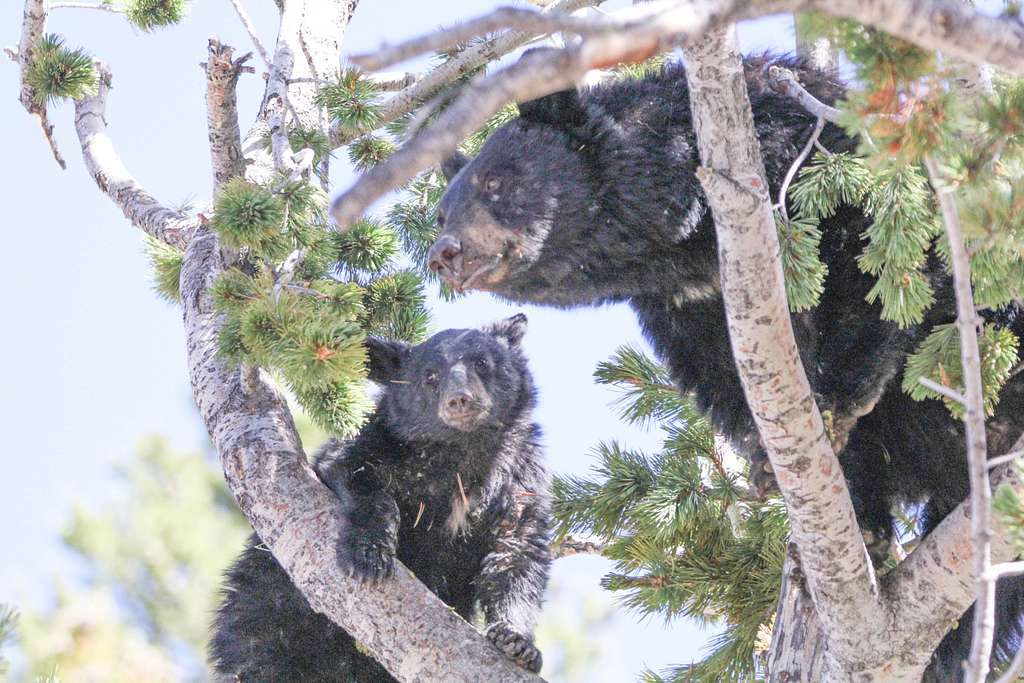
black bears in a whitebark pine (Pinus albicaulis) in Yellowstone National Park; tree species is vulnerable to white pine blister rust. Public image
America’s national parks protect some of Earth’s most unique and valued species, ecosystems, geologic features, and cultural sites. These values are under threat from multiple interacting climatic changes. Over the last 100 years, national park units have experienced a disproportionate degree of warming and precipitation change relative to the United States in general. These changes are projected to continue.
The types of change are not limited to temperature and precipitation. These alterations bring multiple cascading impacts such as extreme weather events, forest insect outbreaks, more frequent and severe wildfires, and other novel disturbance regimes. Furthermore, the new events occur both individually and simultaneously. Michalak et al. (2026) fear that these disturbances and stressors might trigger irreversible ecological transformations in our national parks. The authors hope to prompt park managers to evaluate park-specific threats and plan how to respond.
Michalak et al. (2026) analyzed threats from the multiple interacting forces to determine which parks are greatest at risk. They limited their analysis to 259 parks in the continental states (including Alaska) and to parks recognized by the agency as possessing natural resource values. Some historic or cultural sites are included; I am somewhat confused about the criteria applied. I regret that they lacked sufficient data to include parks on the Hawaiian and Caribbean islands.
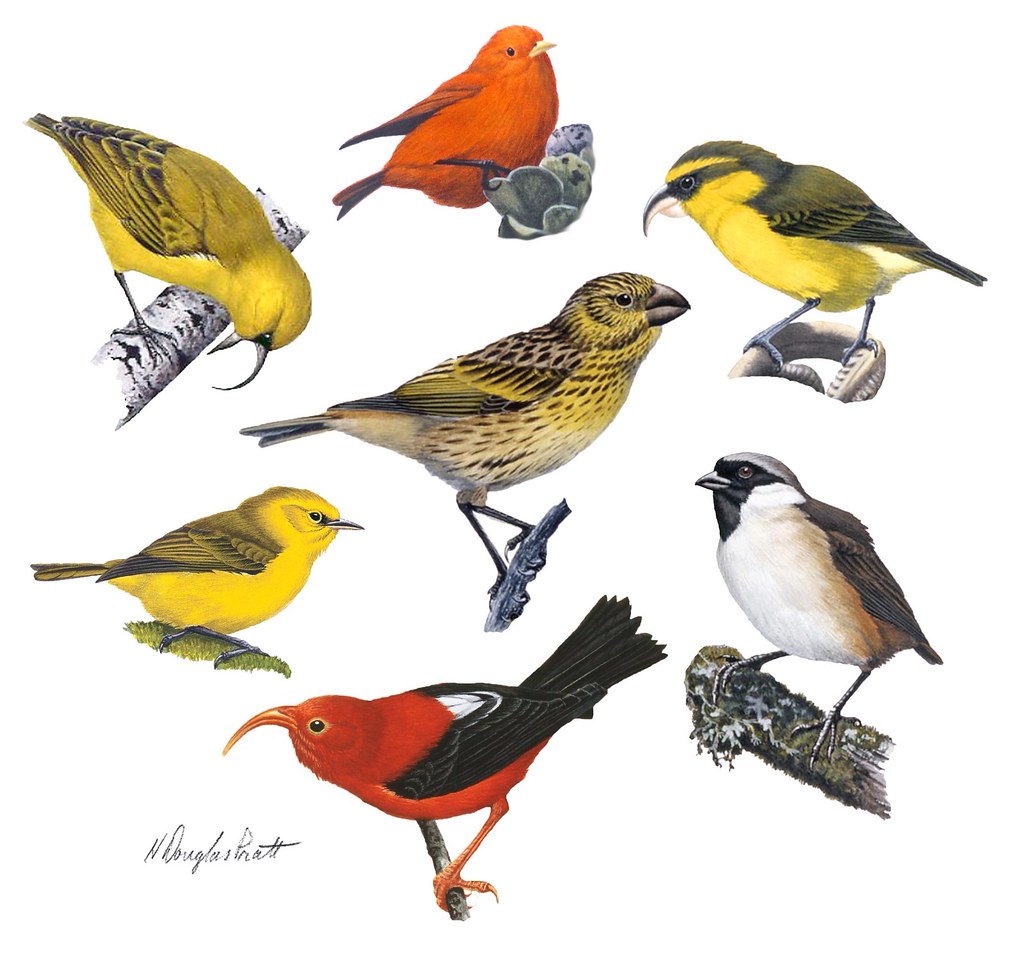
Hawaiian birds threatened by avian malaria; picture via Flickr
Their analysis defined potentially transformative impacts as heightened risk of fire, drought, sea-level rise, and forest insects and pathogens (not limited to non-native species). An example of such impacts is a prediction that a significant proportion of the park’s area would be inundated during storm surge.
Michalak et al. (2026) identified 174 parks (67% of the units analyzed) as most exposed to one or more of these potentially transformative impacts. The number of parks facing cumulative vulnerability across multiple dimensions was highest in the Midwest and East. Their peril is due to high physical exposure to the transformational change, exacerbation of existing stressors, and high surrounding land-use intensity. Parks in the West were partially protected by less intense human land-use and the varied topography, which might provide climate refugia. However, those western parks tended to be the most exposed to multiple transformative impacts (as defined above).
At the national level (excluding the islands), 28% of the parks have a high fire hazard now; this rises to 38% of parks by an unspecified future time. They provided no estimate of the proportion of parks facing a risk in the future from the other factors. Current levels of risk are 25% at risk to summer drought; 36% (92 parks) at risk to forest pests; and 11% to sea-level rise. Again, across all parks analyzed, 174 – or 67% of the total – face one or more of these threats.
The authors conclude that the 60-old goal of conserving National parks as a “vignette of primitive America” – as stated by Leopold et al. (1963) – is no longer possible. Instead, park managers should now seek to steward resources “for continuous change that is not yet fully understood” as advocated by Colwell et al. (2014).
Michalak etal. (2026) found that the National parks are not prepared. Only 10% have had park-specific assessments; 37% had no assessment at any level. For individual National parks, likelihood of climate impacts and potential transformational changes remains uncertain. Determining where more in-depth, park- specific assessments are warranted is essential for allocating resources.
Michalak etal. (2026) define climate change vulnerability as the combined effects of exposure, sensitivity, and adaptive capacity.Exposure is the intensity of changes a location might experience. This includes changes in the climate itself (e.g., temperature or precipitation) plus changes in climate-exacerbated disturbances (e.g., fire, drought, and sea-level rise). Sensitivity is the extent to which a location or resource is affected – or existing stressors are amplified – by the changing climate, which can be either adversely or beneficially. For example, imperiled species might be further threatened if new conditions are more conducive to bioinvasion. Adaptive capacity is the ability of a system to adapt to the climate change impacts. For example, does human development impede species’ dispersal to new regions that support more suitable climate regimes. I appreciate that the authors note the importance of ensuring continuation of evolutionary processes.
A Subset of Threats: Invasive Species and Forest Pests
According to Michalak et al. (2026), National parks with the highest cumulative vulnerability scores were in the Midwest, Washington, DC, and along the Gulf Coast. The threats were high levels of human development, poor air quality, high proportions of non-native species, and low environmental diversity.
mountain pine beetle in Rocky Mountain National Park; photo by Bchemicoff via Wikimedia
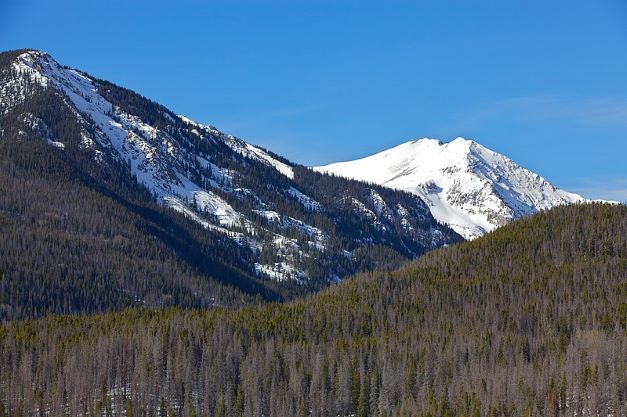
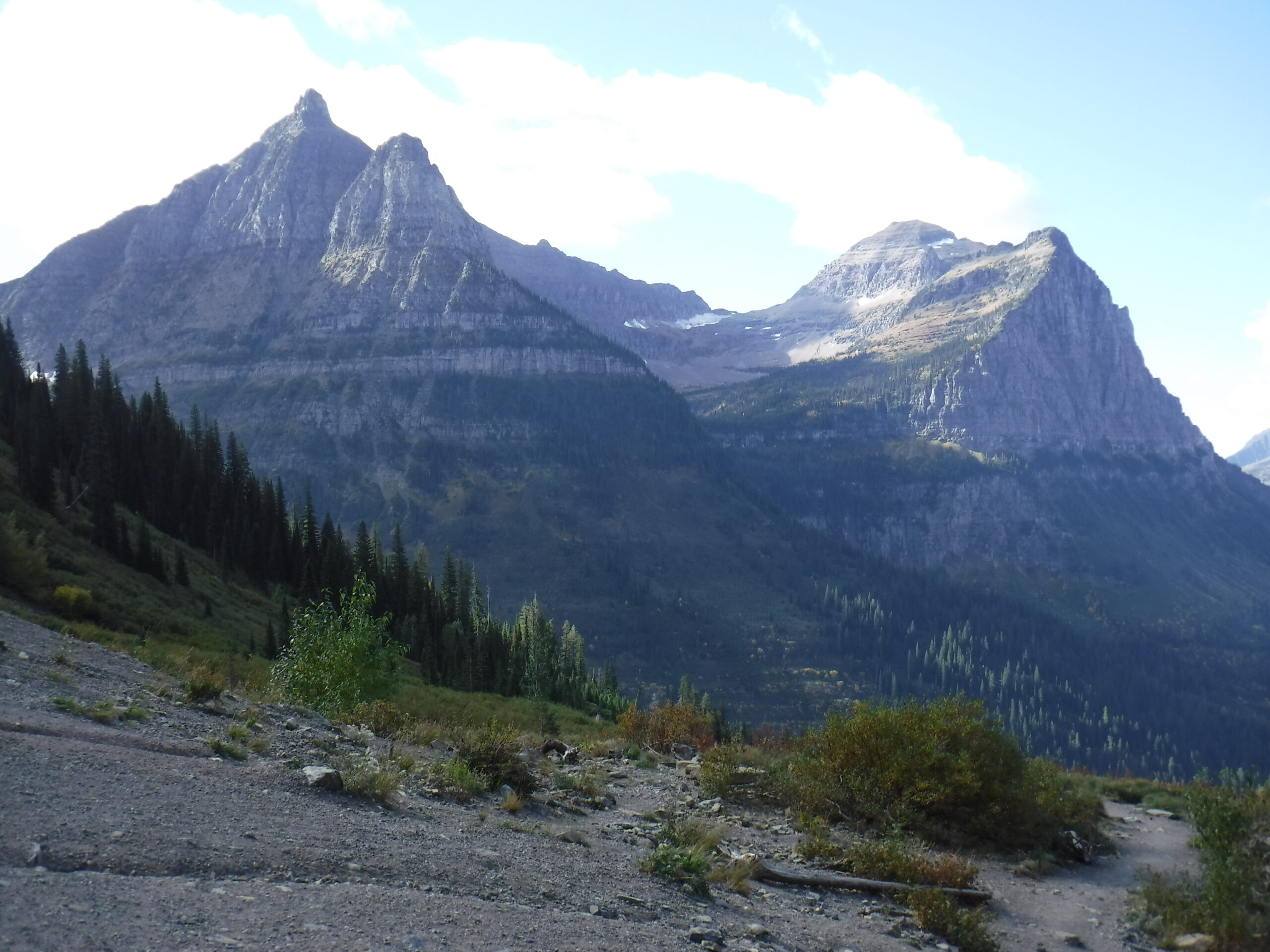
National parks that scored high for forest pest risks are concentrated in the mountainous West and Northeast. While Michalak etal. (2026) do not say so, I assume this refers to widespread mortality of pines due to outbreaks of the native mountain pine beetle (Dendroctonus ponderosae). Thirteen parks in the West scored high for a “trifecta” of fire, drought, and forest pests. The consequences for these parks’ natural resources might be rapid, dramatic, and irreversible transformation of ecosystems. Michalak etal. (2026) mention specifically Rocky Mountain and Yellowstone National parks. Other parks facing a threat from forest insects or pathogens include all the crown jewels of the West: Grand Teton National Park, Crater Lake National Park, Glacier National Park, Great Basin National Park, Kings Canyon-Sequoia National Park, Yosemite National Park, and Mount Rushmore National Memorial.
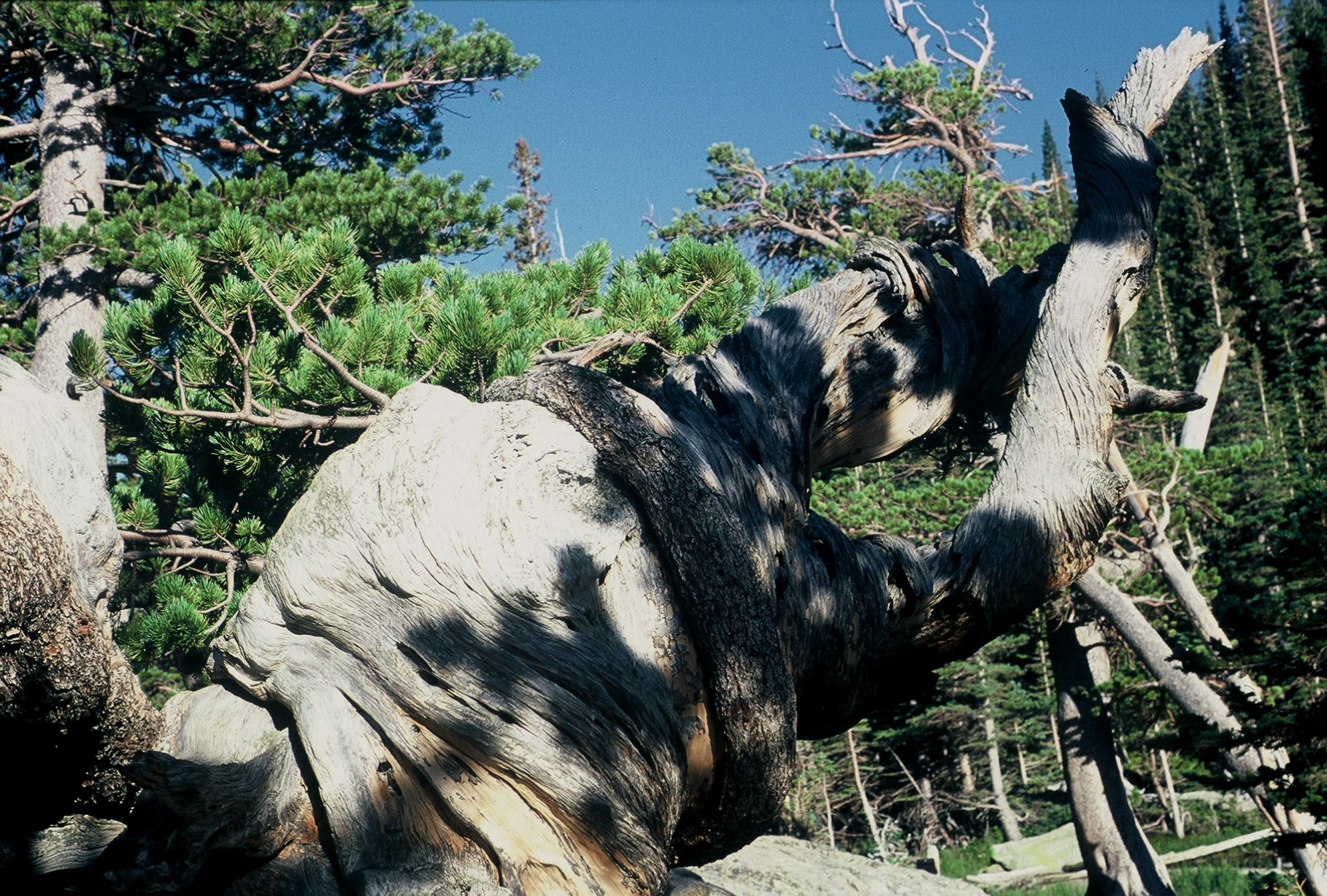
limber pine (Pinus flexilis) at Haiyaha Lake, Rocky Mountain National Park. Species is vulnerable to white pine blister rust. Photo by F.T. Campbell
Another example is Mojave National Preserve, which has experienced increased fire risk linked to the presence of invasive annual grasses.
I know that in the Northeast, more than a dozen species of introduced insects and pathogens threaten forest resources in the parks, including hemlock woolly adelgid, emerald ash borer, spongy moth, and – most recently – beech leaf disease. Parks mentioned in supplementary material provided by Michalak etal. (2026) include Delaware Water Gap National Recreation Area, New River Gorge National River, Harpers’ Ferry National Historical Park, and the homes of Eleanor and Franklyn Roosevelt. See blog 356a and underlying article by Miller et al. (2023).
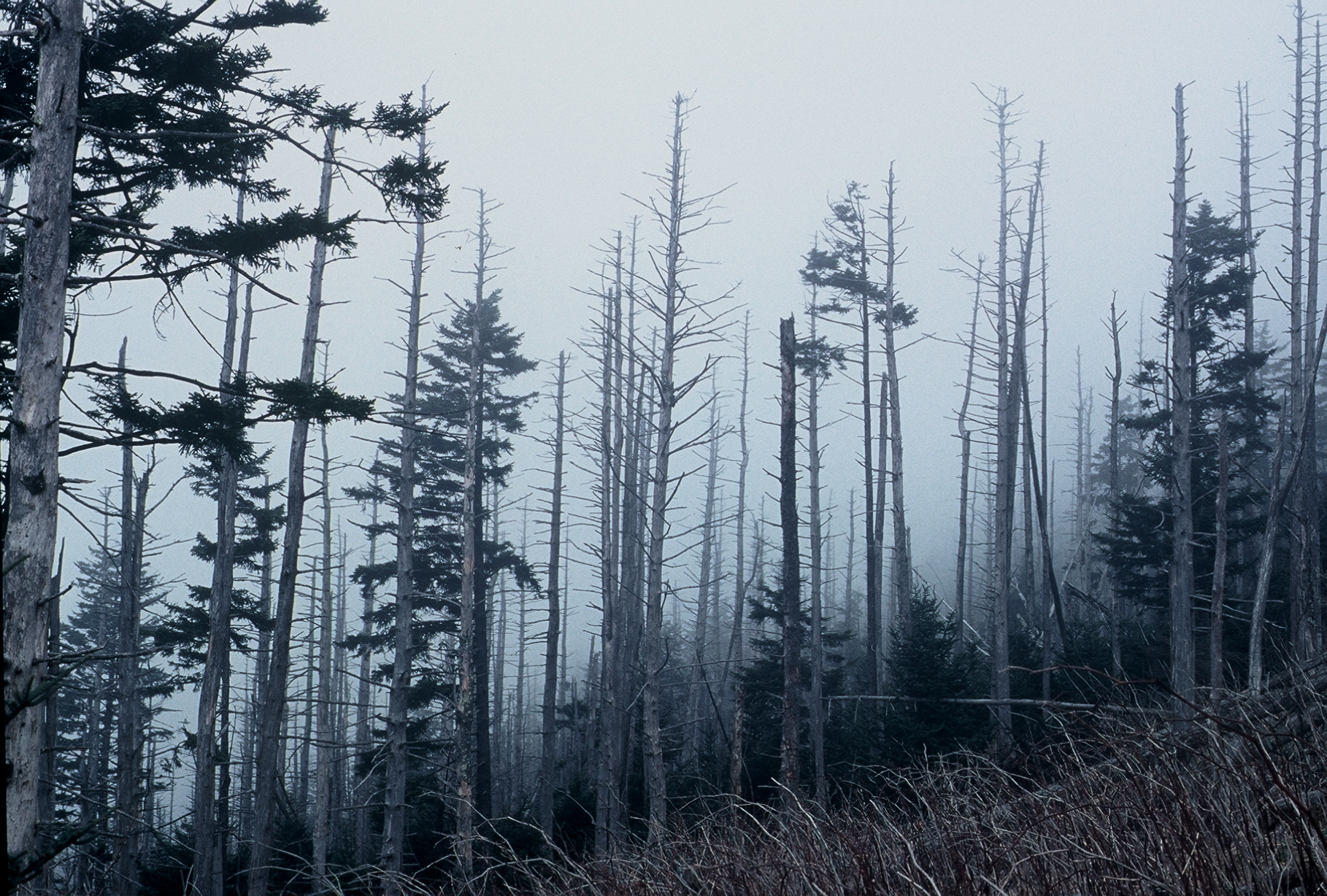
mature Fraser fir killed by balsam woolly adelgid in Great Smoky Mountains; photo by F.T. Campbell
Many other National parks in the East and Midwest also are reported to be impacted by introduced forest pests, among them Great Smoky Mountains National Park, Blue Ridge Parkway, Shenandoah National Park, Appalachian National Scenic Trail, Prince William Forest Park, Cumberland Gap National Historical Park, Gauley River National Recreation Area, Mammoth Cave National Park, Ozark National Scenic Riverways, Pictured Rocks National Lakeshore, Sleeping Bear Dunes, St Croix National Scenic Riverway, and Big Thicket National Preserve.
There are some odd omissions. The supplementary data list the Chesapeake and Ohio Canal National Historical Park as facing a threat from tree pests, but does not so list Rock Creek Park. The two parks are a few miles apart and share the same invasive forest pests! The supplementary data do not mention Gettysburg National Military Park, although Miller et al. (2023) say that more than half of the seedlings and a quarter of the saplings in the park are ashes. These trees are likely to be killed by the emerald ash borer. Perhaps the explanation is that canopy trees threatened by pests in these parks do not occupy more than 80% of the parks’ cover.
I appreciate the effort to compile a nationwide analysis of threats to our national treasures. By focusing on one of those threats, I do not intend to downplay the others. Specific to climate changes, the Trump Administration has told the National Park Service to remove educational signs describing the impact of climate change on, for example, the glaciers at Glacier National Park. An earlier Executive Order https://climate.law.columbia.edu/content/trump-issues-executive-order-climate-change-0 reversed President Obama’s 2015 memorandum that required Interior and other departments to “avoid and then minimize harmful effects to land, water, wildlife, and other ecological resources (natural resources) caused by land- or water-disturbing activities, and to ensure that any remaining harmful effects are effectively addressed, consistent with existing mission and legal authorities.” In February 2026, the Environmental Protection Agency revoked the “endangerment finding” for greenhouse gases, which is the foundation for all regulations governing emissions of those substances. Clearly we cannot hope for federal efforts to address these threats to the National parks during this Administration’s tenure.
I hope, nevertheless, that this study gets wide attention and stimulates renewed campaigns to counter all threats to our natural heritage.
shrunken glacier in Glacier National Park; photo by F.T. Campbell
SOURCES
Colwell, R. S. Avery, J. Berger, G.E. Davis, H. Hamilton, T. Lovejoy, S. Malcom, A. McMullen, M. Novacek, R.J. Roberts, R. Tapia, and G. Machlis. Revisiting Leopold: Resource Stewardship in the National Parks. Parks 2014 Volume 20.2
Leopold, A. et al. 1963. Wildlife Management in the National Parks. available here: chrome-extension://efaidnbmnnnibpcajpcglclefindmkaj/https://static-gcs.edit.site/users-files/30eb6df2212095e14d89a611f0f8f0f1/leopold-report-wildlife_management_in_the_national_park-1963.pdf?dl=1
Michalak, J.L., C.E. Littlefield, J.E. Gross, T.G. Mozelewski, J.J. Lawler. 2026. Relative Vulnerability of US National Parks to Cumulative and Transformational Climate Impacts. Conservation Letters, 2026 Vol 19, Issue 1; 19:e70020
Miller, K.M., S.J. Perles, J.P. Schmit, E.R. Matthews, M.R. Marshall. 2023. Overabundant deer and invasive plants drive widespread regeneration debt in eastern United States national parks. Ecological Applications. 2023; 33:e2837. https://onlinelibrary.wiley.com/r/eap
Posted by Faith Campbell
We welcome comments that supplement or correct factual information, suggest new approaches, or promote thoughtful consideration. We post comments that disagree with us — but not those we judge to be not civil or inflammatory.
For a detailed discussion of the policies and practices that have allowed these pests to enter and spread – and that do not promote effective restoration strategies – review the Fading Forests report at http://treeimprovement.utk.edu/FadingForests.htm
A decade ago I posted a blog reporting that 39% of forests surveyed under the Forest Inventory and Analysis (FIA) system were invaded by one or more invasive plants (Oswald et al. 2015). By regions, Hawai`i had the highest invasion intensity – 70%. The second highest density was in the eastern forests – 46%. Forests in the West ranked third, with 11% of plots containing at least one of the monitored invasive plant species. Finally, forests in Alaska and the Intermountain regions both had 6% of plots invaded.
I rejoice that US Forest Service scientists have continued to analyze their data on plant invasions. Analysis of the most recent data shows alarming increases in invasions everywhere since 2015. However, the scientists could not determine a nation-wide percentage because many areas in the West had not yet been surveyed anew. They did determine that the number of inventory plots containing invasive plant species rose in 58.9% of surveyed counties. Furthermore, in 73.2% of the counties the plots experienced an increase in species richness of invading plant species. While increases were observed in all regions, they were greater in the East than in the West — and in the USFS Southern region compared to the Northern region. Specifically, the proportion of forest plots in the East (USFS Southern and Northern regions) invaded has risen from 46% to 52.8%. In the Rocky Mountains they rose from 6% to 11%. In Hawai`i plots having invasive plants grew from 70% to 83.2%. Surveys in the Pacific Coast states have not yet been completed so this region is not included in the analysis (Potter et al. 2026). It is not clear to me how the current boundaries of the western regions – which are based on Bailey’s ecosystem boundaries relate to the 2015 boundaries, which were based on USFS official regions. Hawai`i is clearly the same.
Porter et al. (2026) concluded that in the forests of the East plant invasions are so extensive that elimination of their impacts is practically impossible. Their spread to new areas is unhindered now and, I would add, is likely to remain so without heroic counter measures.
Forests in the East have a greater mean richness of invasive plant species than do western forests. In particular, there is a profusion of shrubs and vines as well as trees. The West has a greater diversity of invasive forbs. The diversity of invasive grasses is high in both regions.
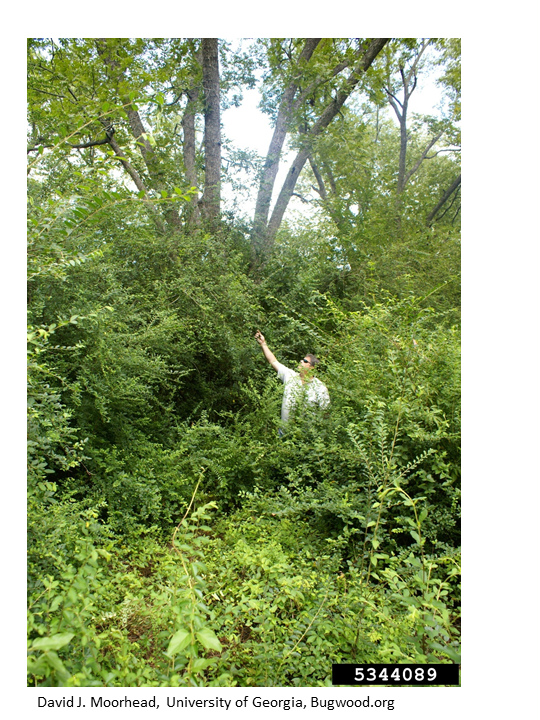
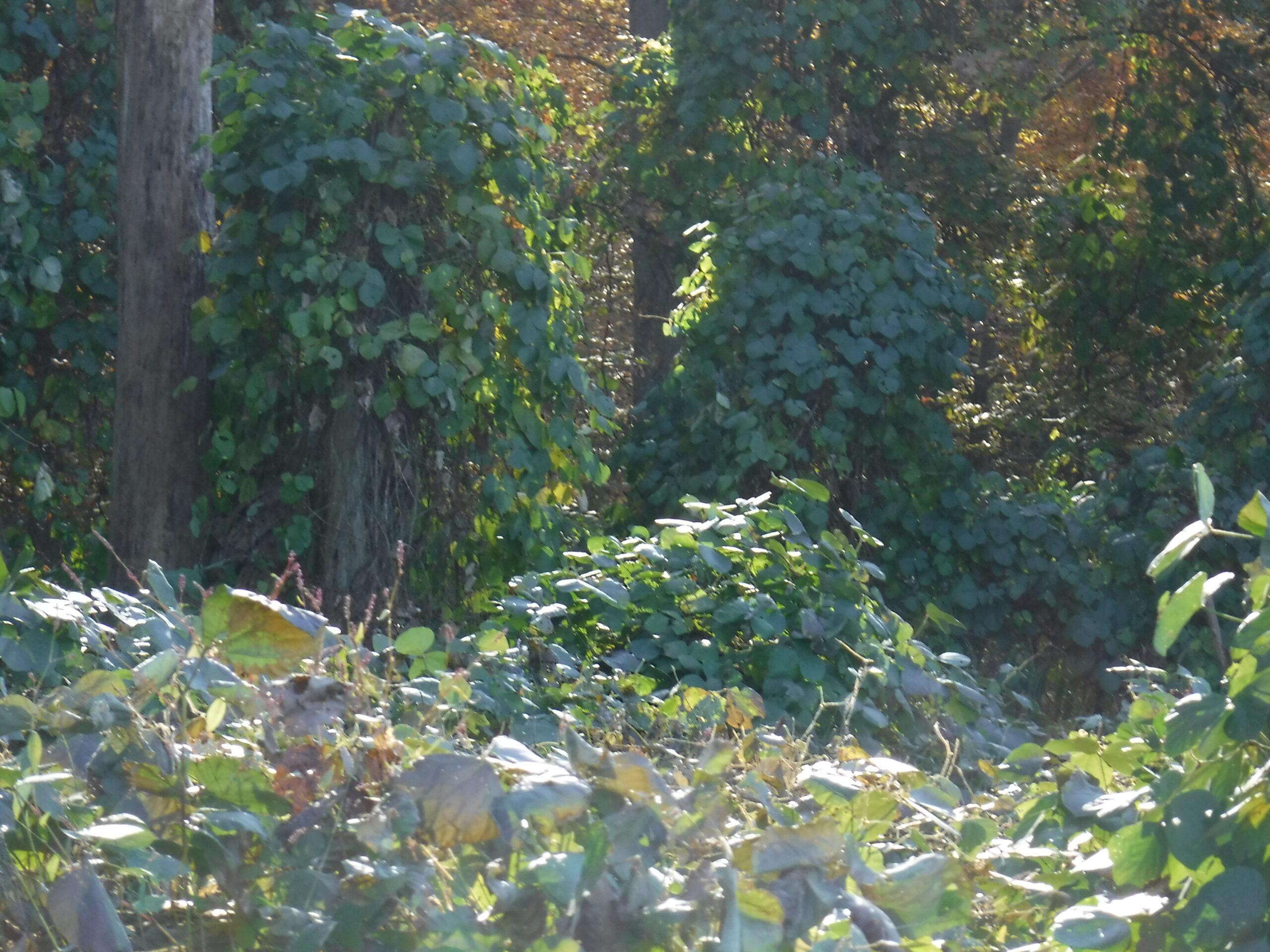
kudzu (Pueraria montana) spreading from edge into forest in Virginia; photo by F.T. Campbell
Potter at al. (2026) worry that the apparently lower level of plant invasions in the West might be an artifact of a higher proportion of plant species being at an earlier stage of invasion. That is, the species have not yet established sufficiently widely to be classified as invasive.
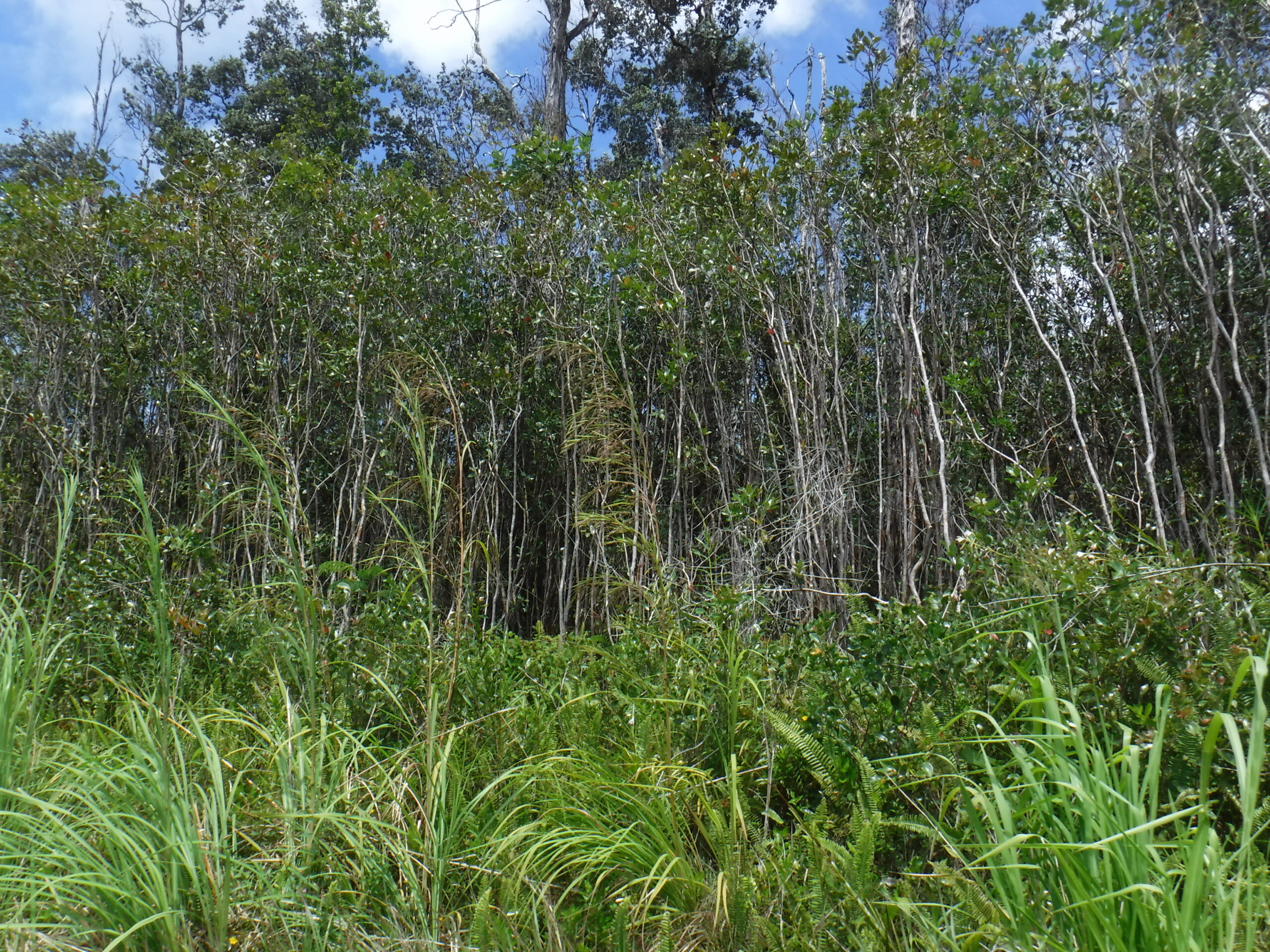
thicket of guava (Psidium cattleianum ) replacing ohia killed by ROD; Hawai`i Island; photo by F.T. Campbell
Of course, the situation in Hawai`i is much worse. Another, more detailed, discussion of invasive plant species in Hawai`i pointed out that relying on data reflecting canopy-level trees obscures the real picture. While “only” 29% of large trees across the Islands are non-native, about two-thirds of saplings and seedlings are. Potter et al. (2023) expected that plant succession will result in non-native tree species taking over the canopy. This likelihood exists regardless of the impact of rapid ‘ohi’a death since ‘ohi’a lehua (Metrosideros polymorpha) is not reproducing even when seed sources are plentiful and people remove invasive forbs and grasses Potter et al. (2023).
The nation-wide analysis of Potter et al. (2026) does not include forests on U.S. Caribbean islands, i.e., Puerto Rico and the Virgin Islands. See here for a description of this situation. In summary, 33 of 57 (58%) of non-native tree species tallied by FIA surveyors are actual or potential high-impact bioinvaders. Furthermore, 21 (38%) of the non-native species occurred on at least 2% of the FIA plots – far above the seven species fitting this description in the continental U.S.
As these sources, and those with a broader perspective, demonstrate that we should not ignore invasions of our forests by non-native plants. These species erode forest productivity and provision of the full range of ecosystem services, hinder shifting (?) forest uses, and degrade biodiversity and habitat.
These invasions also impose extensive financial costs from lost or damaged resources (Potter et al. ( 2022). Potter et al. (2026) note that these negative outcomes depend on interactions between the traits of the non-native plants and the biomes being invaded. These impacts are greatly exacerbated in Hawai`i because more than 95% of native species on the Islands are endemic. This includes 67% of the large trees still present in the forests. As Potter et al. (2023) point out, extirpation of any of these species is a global loss.
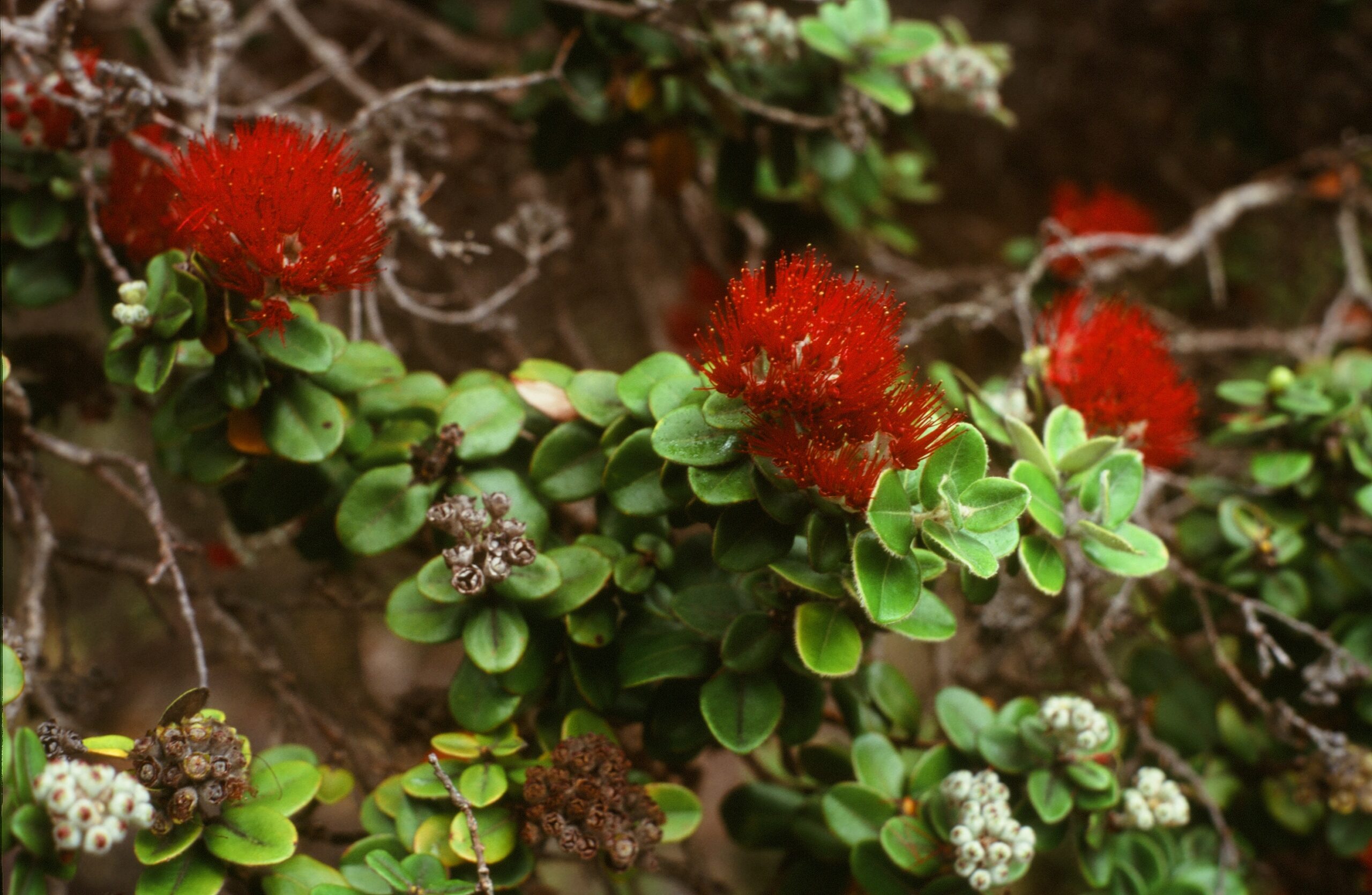
ʻōhiʻa lehua (Metrosideros polymorpha); photo by F.T. Campbell
Data issues
Potter et al. (2026) note that in the Northern region only about 20% of plots were surveyed for invasive plants. They state that these difference in sampling intensity does not affect statistical analyses across broad scales.
The regional lists of invasive plants were developed by experts. They include those species thought at the time to be most damaging. Of course, there are other non-native plant species that might be present – and some might prove to be invasive over time (Potter et al. 2026). I have been unable to determine whether the regional lists are updated periodically. Because of this structure of the FIA system, these surveys can assess only spread of already-established species. It is not suitable for early detection of new species entering the forest.
For all these reasons, the analyses in Porter et al. (2026) probably underestimate the total abundance of non-native plant species in U.S. forests. Indeed, the time lag between introduction or even identification of invasive species and their eventual ecological and economic impact obscures their full impact. This ever-increasing invasion debt probably contributes to decisions not to implement effective countermeasures.
Recommendations
How do we set priorities for responding to nearly unmanageable situations? We sharpen our focus on the most damaging pathways of introduction, the most vulnerable regions, and the most at-risk species.
The high-risk pathways are imports of plants for planting and wood – including but not limited to crates, pallets, and other forms of packaging.
Vulnerable regions start with the Hawaiian Islands, Puerto Rico, and the Virgin Islands; and include many biodiversity-rich areas on the continent. We should enhance monitoring of these vulnerable regions by federal, state, and tribal agencies, conservation organizations, citizen scientists, and others. Surveys must report all non-native plant present, not just those already known to be invasive. These data will improve detection of new species and better inform us about factors affecting species’ spread.
Also, I support Potter et al.’s (2026) emphasis on the wildland-urban interface as an area of high human-environment conflict.These include, but are not limited to, plant invasions. The authors point out that we need new policy, management, and scientific tools to address threats in these vulnerable and too-often ignored social and ecological zones.
This increase in available information must be paired with management of the factors that facilitate invasion. Some of these are associated with ecosystems. But the key target must be plant species being brought into the region by people for various purposes. This is often for ornamental horticulture.
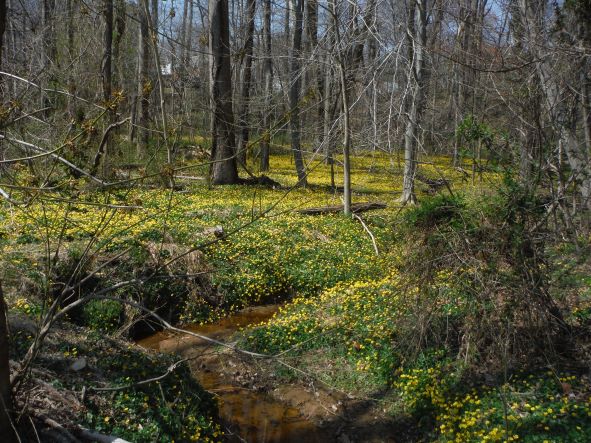
lesser celandine (Ficaria verna) dominating herb layer in a Virginia forest; photo by F.T. Campbell
We must ask state legislatures and Congress to empower regulatory agencies – e.g., their state departments of agriculture and USDA’s Animal and Plant Health Inspection Service – to be far more more assertive and pro-active. For example, they must give higher priority to the full range of ecological and economic impacts of invading plants, not just damage to agriculture.
Evans et al. (2024) urged prioritizing for state regulation those species in the ornamental trade that are projected to remain or become abundant under evolving climate conditions. Beaury et al. (2023) called for regulating the nursery trade at the national level – reflecting the scope of sales.
SOURCES
Beaury, E.M., J.M. Allen, A.E. Evans, M.E. Fertakos, W.G. Pfadenhauer, B.A. Bradley. 2023. Horticulture could facilitate invasive plant range infilling and range expansion with climate change. BioScience 2023 0 1-8 https://doi.org/10.1093/biosci/biad069
Evans, A.E., C.S. Jarnevich, E.M. Beaury, P.S. Engelstad, N.B. Teich, J.M. LaRoe, B.A. Bradley. 2024. Shifting hotspots: Climate change projected to drive contractions and expansions of invasive plant abundance habitats. Diversity and Distributions 2024;30:4154
Potter, K.M., C. Giardina, R.F. Hughes, S. Cordell, O. Kuegler, A. Koch, E. Yuen. 2023. How invaded are Hawaiian forests? Non-native understory tree dominance signals potential canopy replacement. Landsc Ecol 2023 https://doi.org/10.1007/s10980-023-01662-6
Potter, K.M., B.V. Iannone III, K.H. Riitters, Q. Guo, K. Pandit, C.M. Oswalt. 2026. US Forests are Increasingly Invaded by Problematic Non-Native Plants. Forest Ecology and Management 599 (2026) 123281
Potter K.M., K.H. Riitters, and Q Guo. 2022. Non-native tree regeneration indicates regional and national risks from current invasions. Frontiers in Forests & Global Change Front. For. Glob. Change 5:966407. doi: 10.3389/ffgc.2022.966407
We welcome comments that supplement or correct factual information, suggest new approaches, or promote thoughtful consideration. We post comments that disagree with us — but not those we judge to be not civil or inflammatory.
For a detailed discussion of the policies and practices that have allowed these pests to enter and spread – and that do not promote effective restoration strategies – review the Fading Forests report at http://treeimprovement.utk.edu/FadingForests.htm
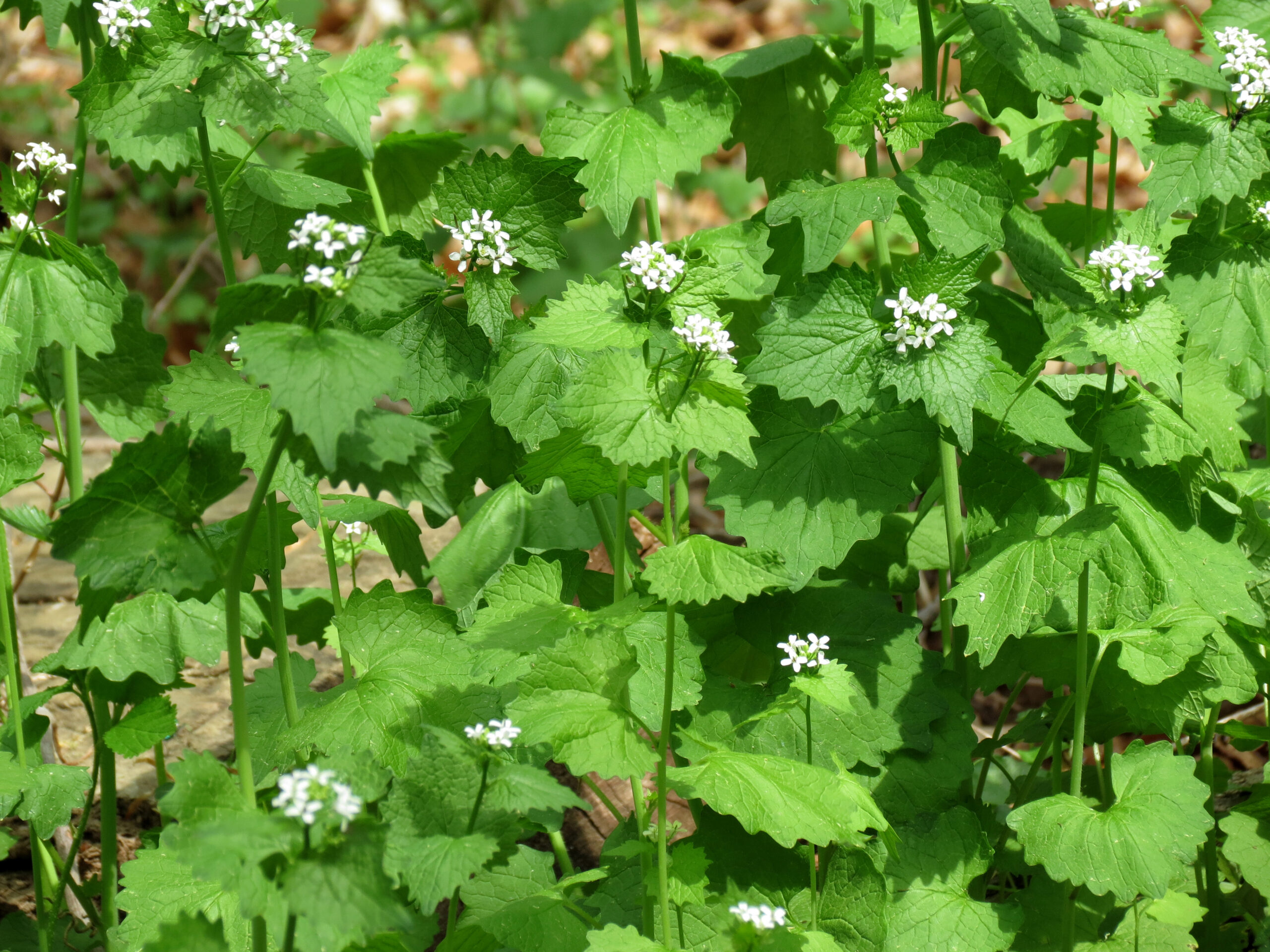
garlic mustard (Alliaria petiolata); photo by Katja Schulz via Wikimedia
I welcome a recent series of studies documenting the extent of plant invasions in forests of the eastern United States and the socio-economic conditions that contribute to a state of affairs increasingly recognized as a crisis. I wish, however, that the authors had devoted more attention to the role of deliberate planting of non-native species and the resulting propagule pressure.
I summarize here findings of two studies written by largely the same scientists and relying on the same underlying data: surveys of forest plots conducted under the Forest Inventory and Analysis (FIA) program. In this blog, if focus on the extent of invasive plant presence in the forests of the eastern United States. In an accompanying blog I will summarize the status of plant invasions in forests nation-wide.
As I have noted in earlier blogs, link a decade ago one or more invasive plant species had already invaded 46% of FIA plots in the eastern U.S. (Oswald et al. 2015). This situation has worsened. Updated data show that 52.8% of these plots contain invasive plants. In the USFS Southern Region, invasive plants have been documented on 55.3 million ha. In the Northern Region, they are found on 36.9 million ha. (Only ~20% of FIA plots in the Northern Region were surveyed for invasive plants.) In some counties of the 37 states constituting these two USFS regions, 80% of inventoried forest plots contain invasive plants. Areas with lower levels of invasion are found in parts of New England, the Great Lakes states, southern Appalachians, southeastern coastal plain, and western Texas and Oklahoma (Potter et al. 2026). Spread of these bioinvaders is largely unchecked – either throughout the East or “just” in the South. In any case, the extent and intensity of these invasions are so great that their complete removal – or elimination of their impacts – is “practically impossible” (Potter et al., 2024; Potter et al. 2026). [It is not clear whether the scientists mean “nearly” or “in practice”. Or that this difference is important.]
[In comparison, in the West less than 30% of FIA plots are invaded, on average. In Hawai`i, more than70% are (Potter et al. 2026).]
The scientists analyzing the FIA data warn that the extent and impact of plant invasions in eastern forests is undoubtedly worse than these data indicate. The records include only some of the non-native plant species present — those considered to be the worst invaders at the time regional lists were compiled – apparently in the first years of the 21st Century (Potter et al. 2026).
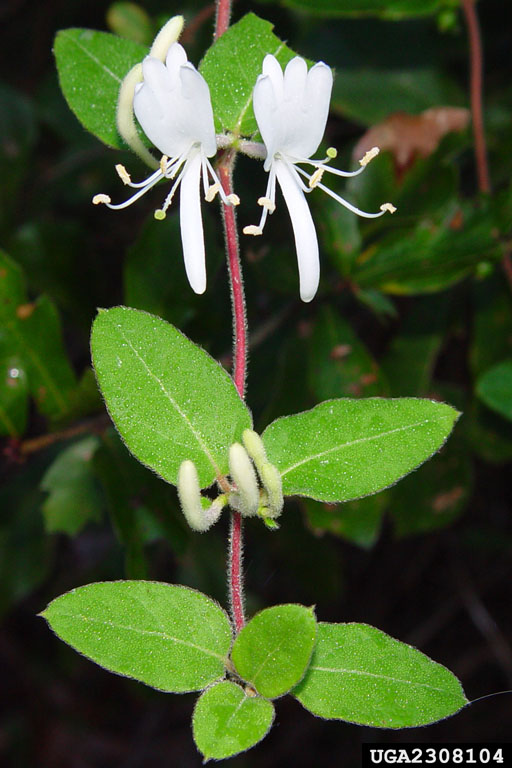
Japanese honeysuckle (Lonicera japonica) photo by Chuck Bargeron
The scientists emphasize the role of disturbance in promoting plant invasions. They cite various studies as well as the FIA data to document that forest edges facilitate non-native plant establishment and spread into forests. They stress various aspects of suburban development, including roads and other transportation corridors. It follows that invasion rates are highest in the “wildland-urban interface (WUI).” [The wildlife-urban interface is the zone of transition between unoccupied land and human development; the zone where structures meet or intermix with undeveloped land and its vegetation.] They worry that the WUI is growing faster than any other land use type in the country – and especially rapidly in the East. As a result, the scientists expect more and worse invasions in the future (Potter et al., 2024 and Potter et al. 2026).
I appreciate that they highlight the uniqueness of WUI ecosystems. Housing development in the WUI has numerous effects on natural ecosystems, including habitat modification and fragmentation followed by diffusion of the direct and indirect effects of anthropogenic activities into neighboring ecosystems at different scales. As regards specifically non-native plants, this transmission occurs through a combination of (1) human-driven disturbances to native ecosystems that promote plant invasion and (2) providing a source of non-native plant propagules in their yards and gardens. These plants can then spread into and establish in nearby ecosystems (in this case, forests). [I note that tree-killing arthropods and pathogens also can be introduced in the WUI.] (Scroll below “Archives” to “Categories”, click on “forest pests” and “wood packaging”.)
They also found that plant invasions are more strongly related to older, than more recent, land-cover changes. Survey plots that have been located in the WUI since 1990 or earlier had on average 2.6% more invasive plant cover and 0.33 more invasive plant species than those that were classified as being in the WUI in 2000 or 2010. Their explanation is that the WUI forests experienced decreased spatial integrity, increased forest-developed area edges, and falling proportions of forest in the surrounding landscapes. In addition, the human population in the vicinity might have grown. All these factors that would increase forest fragmentation and the plots’ susceptibility to invasion.
The other side of the coin is propagule pressure. Both Potter et al (2024) and Potter et al. (2026) note that the flora of residential landscapes – rural as well as suburban – is typically dominated by non-native plant species. Still, I think these studies downplay the impact of this ubiquity of non-native plants in all anthropogenic landscapes.
In discussing the higher invasion rates found in survey plots located in WUIs dating from the 1990s they made no mention of human activities that promote plant invasions. There are several. Plants growing in those older yards had one or two more decades to flower – and for their fruits and seeds to be transported into the forest by birds, wind, or water. Residents might have decided to beautify their neighborhood by planting shrubs or flowers in the woods. Maybe they succumbed to the temptation to dump yard waste in the woods – thinking it would be absorbed by “nature”. Since plant invasions take time to unfold, these additional years of human-mediated exposure are highly relevant. Another factor is that people who choose to live in wooded surroundings probably choose horticultural plants that thrive under such conditions – exactly those best able to establish beyond the property line.
Another opportunity to discuss these factors came from the discovery that plant invasion rates are higher in association with “interface” rather than “intermix” WUI forests. [“WUI interface forests” are those where settled areas abut wildlands. In “WUI intermix forests” the structures are scattered.] They speculate about reasons. Potter, et al. (2024) mention that invasions originating from older housing developments have had more time to establish (or at least to be detected) given the well-known lag associated with plant invasions.
I wish they had focused more on the probable difference in suburban development across time. While I was growing up in expanding suburbs in the 1950s, I observed that the earlier housing developments were either built on land that had been cleared to support agriculture or the builders cleared the forest to make construction easier and cheaper. More recently, wealthier buyers have sought residences on more wooded sites – so creating an “intermix” WUI. Potter et al. (2024) speculate that locations in the “interface” WUI are closer to high-density urbanization so have higher exposure to non-native plants. They do not discuss whether the “interface” WUIs are older, thus giving associated plantings longer years to proceed through the stages of bioinvasion.
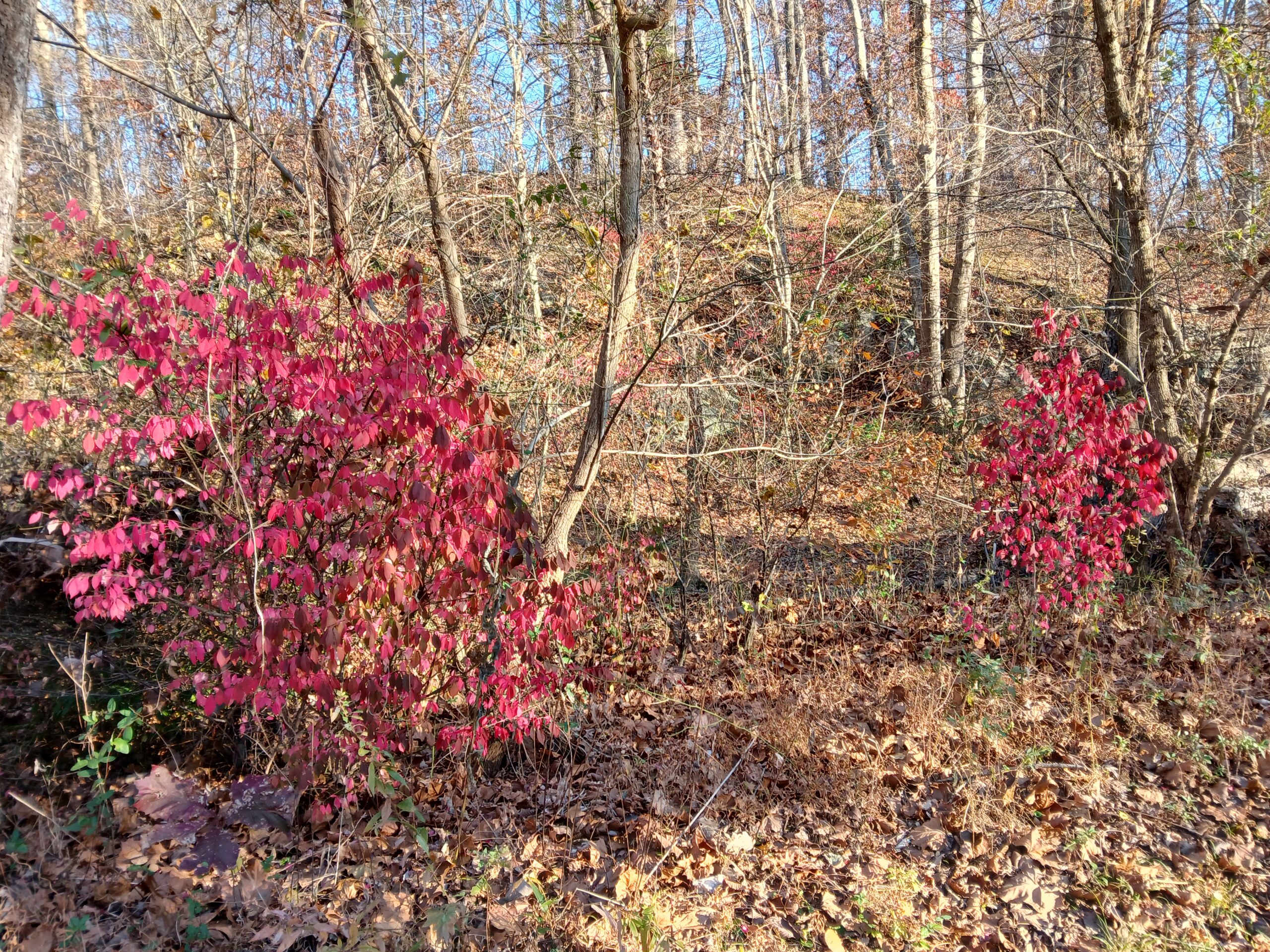
burning bush (Euonymus alatus) invading a forest in Virginia; photo by F.T. Campbell
The Role of Deliberate Planting?
I recognize that these authors analyzed mountains of data. However, I wish they had incorporated the findings of numerous scientists who have analyzed the role of deliberate planting – especially ornamental horticulture – in facilitating introduction and spread of invasive plants. (Scroll below “Archives” to “Categories” and click on “invasive plants”. Also See Reichard and White 2001 and Mack 2000).
As I hope USFS scientists are aware, recent studies confirm the continuing role of ornamental horticulture in plant invasions. Kinlock et al. (2025) blog 440 found that more than 1,600 plant species sold by nursery and seed catalogs over 200 years had “naturalized” somewhere in the continental 48 states. They do not discuss what proportion of these species are truly damaging invaders. Fertakos and Bradley (2024) found that species were likely to establish if they were introduced to as few as eight locations. Beaury et al. (2024) found that half of 89 plant species recognized as invasive are sold in the same locations where they are invasive. Another 25 species are sold by one or more nurseries located in an area that is currently unsuitable for those species, but that will become more suitable for invasion as temperatures warm.
Potter et al. (2026) acknowledge that the ornamental plant trade is likely to continue introducing new plant species into U.S. forests. However, they recommend only updating the lists of invasive plants to be included in future surveys. Apparently these lists have not been updated since 2004.
Potter et al. (2024) go farther, urging efforts to encourage homeowners to plant more native and environmentally friendly private landscapes. They note that such advocacy is complicated by the fact that non-native – even invasive – species provide valued ecosystem and cultural services.
I add that the nursery industry and their customers enjoy enormous lobbying clout.
Many associations – native plant societies, regional or state invasive plant councils, etc. – are pursuing this approach. To research these efforts, visit the websites for the state native plant societies and the Southeast Exotic Pest Plant Council, Mid-Atlantic Invasive Plant Council, and Midwest Invasive Plant Network. These voluntary efforts have yielded some success. But they have not resulted in adequate protection for our ecosystems. Dr. Douglas Tallamy points out that even non-invasive, non-native plants disrupt food webs.
The insufficient attention to the role of the plant trade in articles intended to be comprehensive has crucially important impacts. As both Potter, et al. (2024) and Potter et al. (2026) affirm, determining which factors are most important in facilitating plant invasions of eastern American forests is the necessary foundation for identifying and implementing the most efficient and effective counter measures.
These scientists are employees of the U.S. Department of Agriculture. If departmental leadership interpret their studies as justifying inaction on regulating plant sales, USDA’s regulatory agencies will not respond. And we will continue failing to curtail introduction and spread of damaging plant invasions.
I agree with the authors on the need for enhanced monitoring and management of WUI zones in the East to detect new species or new locations of invasion and the need to develop better tools for these purposes. However, I ask all stakeholders to follow Evans et al. (2024), who urge prioritizing for state regulation those species in the ornamental trade that are projected to remain or become abundant under evolving climate conditions. Or, more aggressively, follow Beaury et al. (2023)’s call for regulating the nursery trade in a manner consistent with the scope of the horticultural trade at the national level. That would require legislation, since the Federal Noxious Weed Act does not currently address long-established, widespread species. Beaury et al. (2023) also note that existing state restrictions are outdated, tend to include only a few weeds that plague agriculture rather than those that invade natural systems, and are irregularly enforced.
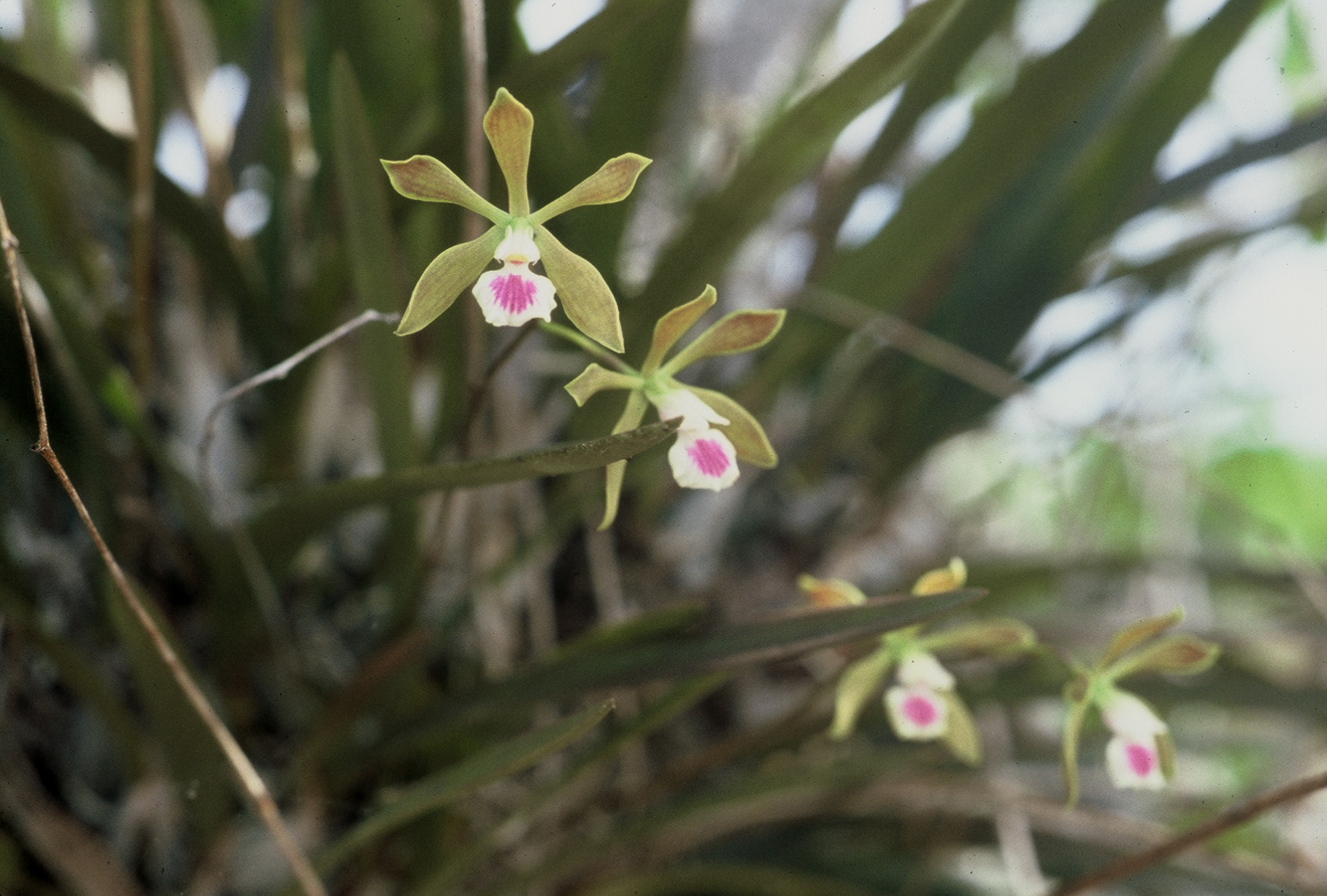
orchids in Everglades National Park; photo by F.T. Campbell
I conclude by agreeing with the scientists that managing the disturbance component of plant invasions points to protecting particularly forests of high conservation value. They suggest adoption of land-use planning rules aimed at this goal. However, as they point out, such action will be extremely unlikely given the magnitude of predicted land-use changes in the country and powerful demographic factors driving them. I would add other barriers: the lobbying clout of the real estate industry and homeowners plus the local nature of zoning decisions.
SOURCES
Beaury, E.M., J.M. Allen, A.E. Evans, M.E. Fertakos, W.G. Pfadenhauer, B.A. Bradley. 2023. Horticulture could facilitate invasive plant range infilling and range expansion with climate change. BioScience 2023 0 1-8 https://doi.org/10.1093/biosci/biad069
Evans, A.E., C.S. Jarnevich, E.M. Beaury, P.S. Engelstad, N.B. Teich, J.M. LaRoe, B.A. Bradley. 2024. Shifting hotspots: Climate change projected to drive contractions and expansions of invasive plant abundance habitats. Diversity and Distributions 2024;30:4154
Fertakos, M.E. and B.A. Bradley. 2024. Propagule pressure from historic U.S. plant sales explains establishment but not invasion. Ecology Letters 2024;27:e14494 doi: 10.1111/ele.14494
Kinlock, N.L., D.W. Adams, W. Dawson, F. Essl, J. Kartesz, H. Kreft, M. Nishino, Jan Pergl, P. Pyšek, P. Weigelt and M. van Kleunen. 2025. Naturalization of ornamental plants in the United States depends on cultivation and historical land cover context. Ecography 2025: e07748 doi: 10.1002/ecog.07748
Oswalt, C.M., S. Fei, Q. Guo, B.V. Iannone III, S.N. Oswalt, B.C. Pijanowski, K.M. Potter. 2016. A subcontinental view of forest plant invasions. NeoBiota. 24:49-54 http://www.srs.fs.usda.gov/pubs/48489
Potter, K.M., K.H. Riitters, B.V. Iannone III, Q. Guo and S. Fei. 2024. Forest plant invasions in the eastern United States: evidence of invasion debt in the wildland‑urban interface. Landsc Ecol (2024) 39:207 https://doi.org/10.1007/s10980-024-01985-y
Potter, K.M., B.V. Iannone III, K.H. Riitters, Q. Guo, K. Pandit, C.M. Oswalt. 2026. US Forests are Increasingly Invaded by Problematic Non-Native Plants. Forest Ecology and Management 599 (2026) 123281
Posted by Faith Campbell
We welcome comments that supplement or correct factual information, suggest new approaches, or promote thoughtful consideration. We post comments that disagree with us — but not those we judge to be not civil or inflammatory.
For a detailed discussion of the policies and practices that have allowed these pests to enter and spread – and that do not promote effective restoration strategies – review the Fading Forests report at http://treeimprovement.utk.edu/FadingForests.htm
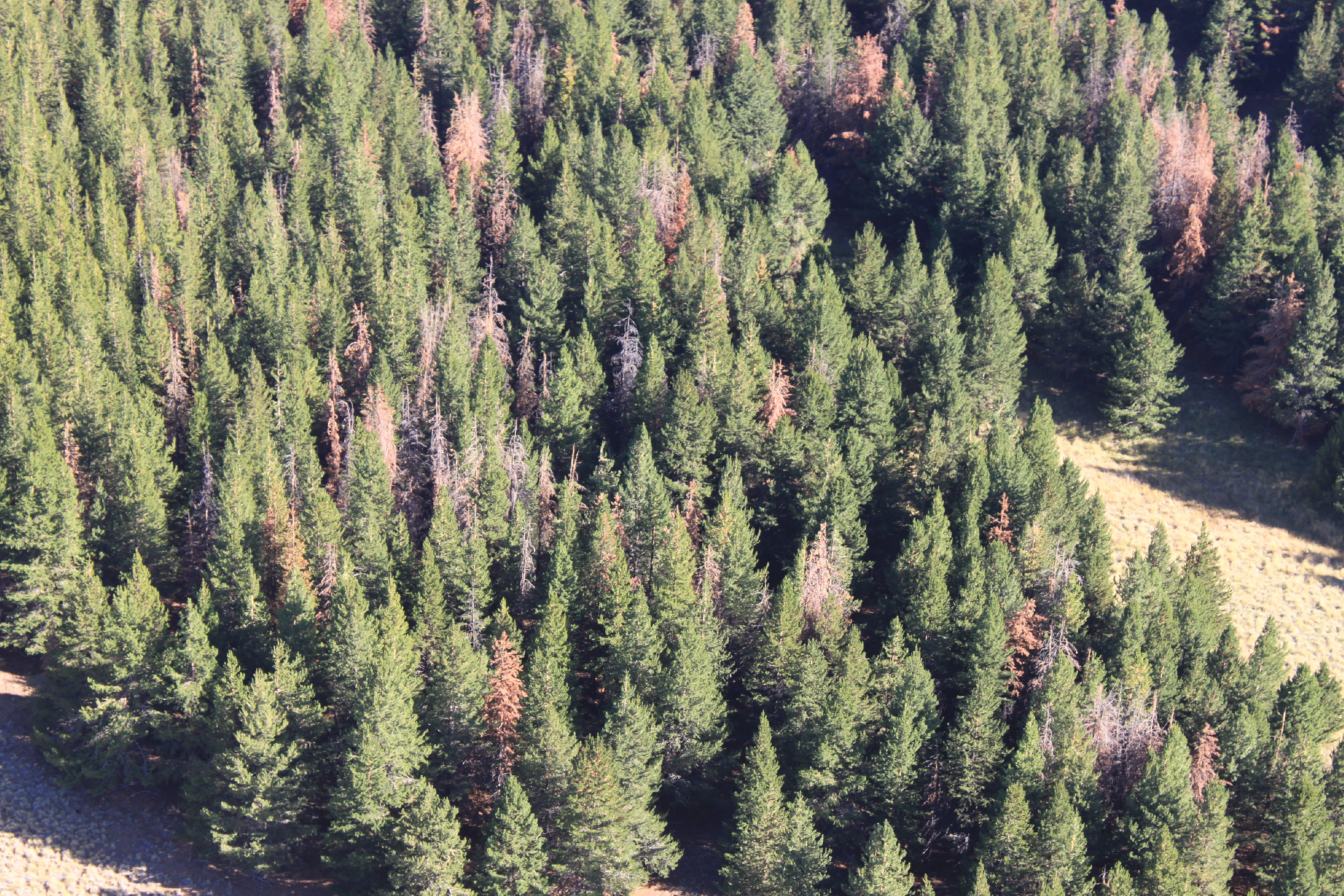
pines in a plantation in Argentina killed by Sirex noctilio; photo by J. Villacide
A decade ago, Payn et al. (2015) compiled studies from around the globe to evaluate threats to widespread tree plantations. At that time, they said climate change posed the greatest threat to plantation forestry globally, in the forms of storm and flood damage and simultaneous warming and drying trends with extreme temperatures.
Still, the authors warned that forest health would be an increasingly important constraint to plantation productivity. They were optimistic, however, that modern breeding and other technologies could offset losses.
What is the current situation? The countries that depend on these plantations for fiber production are not demanding that leaders of the international phytosanitary structure build a more effective system to protect their investments. Instead, individual scientists struggle to better understand threats. Mostly, they propose expanded research.
Economic Importance of these Species
Eucalypts
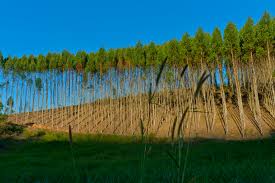
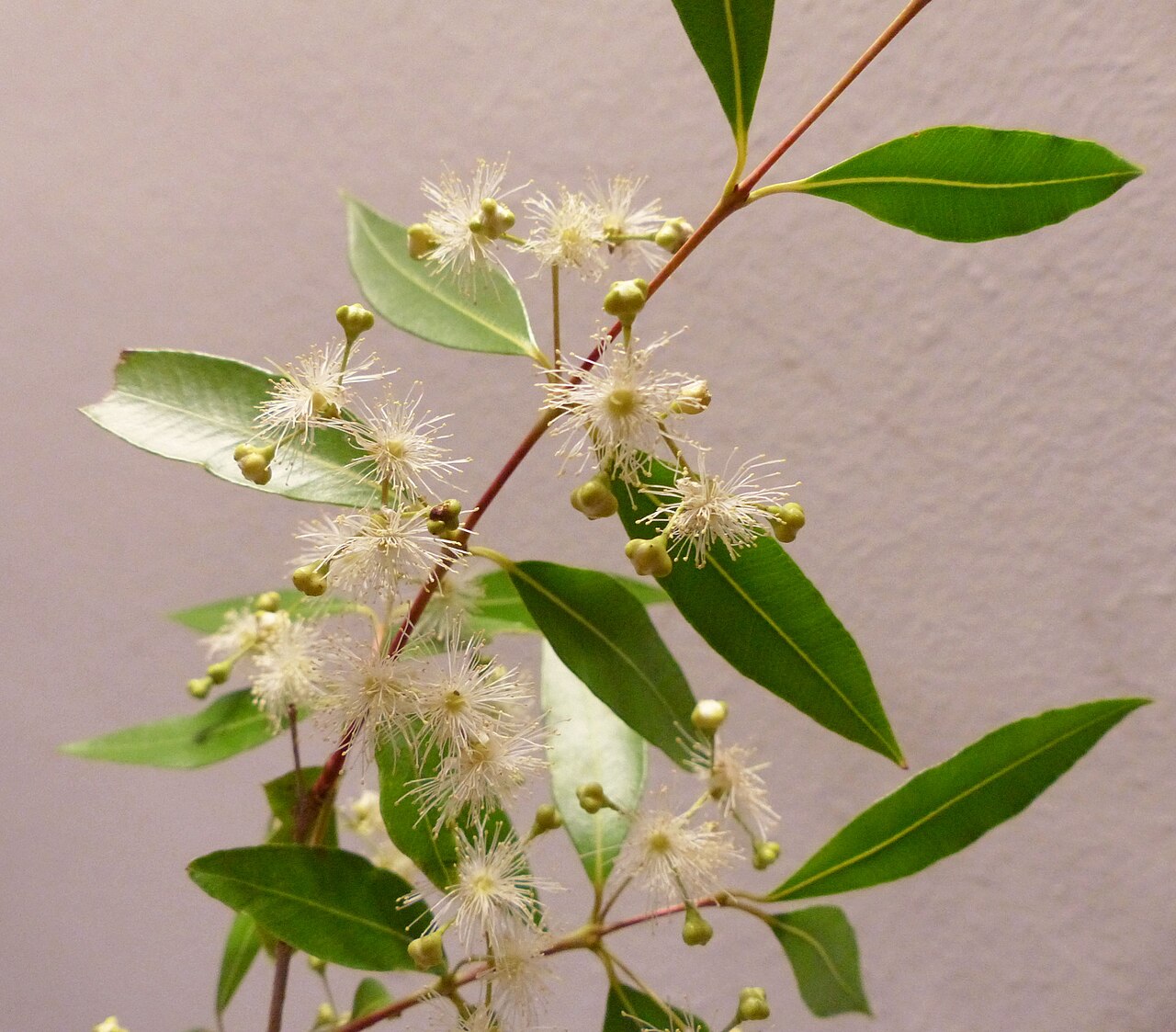
“Eucalypts” comprises three genera in the family Myrtaceae: Angophora, Corymbia and Eucalyptus. These include more than 700 tree species native primarily to Australia. A few species are native to Indonesia, New Guinea and the Philippines (Paine et al. 2011; Crous et al. 2019). Some of these species have been extensively planted outside their native ranges for more than 100 years. These plantations have expanded rapidly in recent decades, especially in Southeast Asia and the Southern Hemisphere (Crous et al. 2019). Eucalypts are now the most widely planted hardwood timber in the world (Paine et al. 2011).
Eucalypt plantation in Brazil; photo by Jonathan Wilken via Wikimedia
Eucalypts’ popularity has been driven chiefly by their rapid growth; short rotation times including through coppicing; and adaptability to a very wide variety of sites and climatic conditions (Paine et al. 2011; Crous et al. 2019). Also, these trees are an important source of the short-fiber pulp required for production of high-quality paper used in modern office copiers and printers (Paine et al. 2011). Plantations are increasing even in Australia, where harvesting of native forests is increasingly being restricted (Paine et al. 2011).
Pines
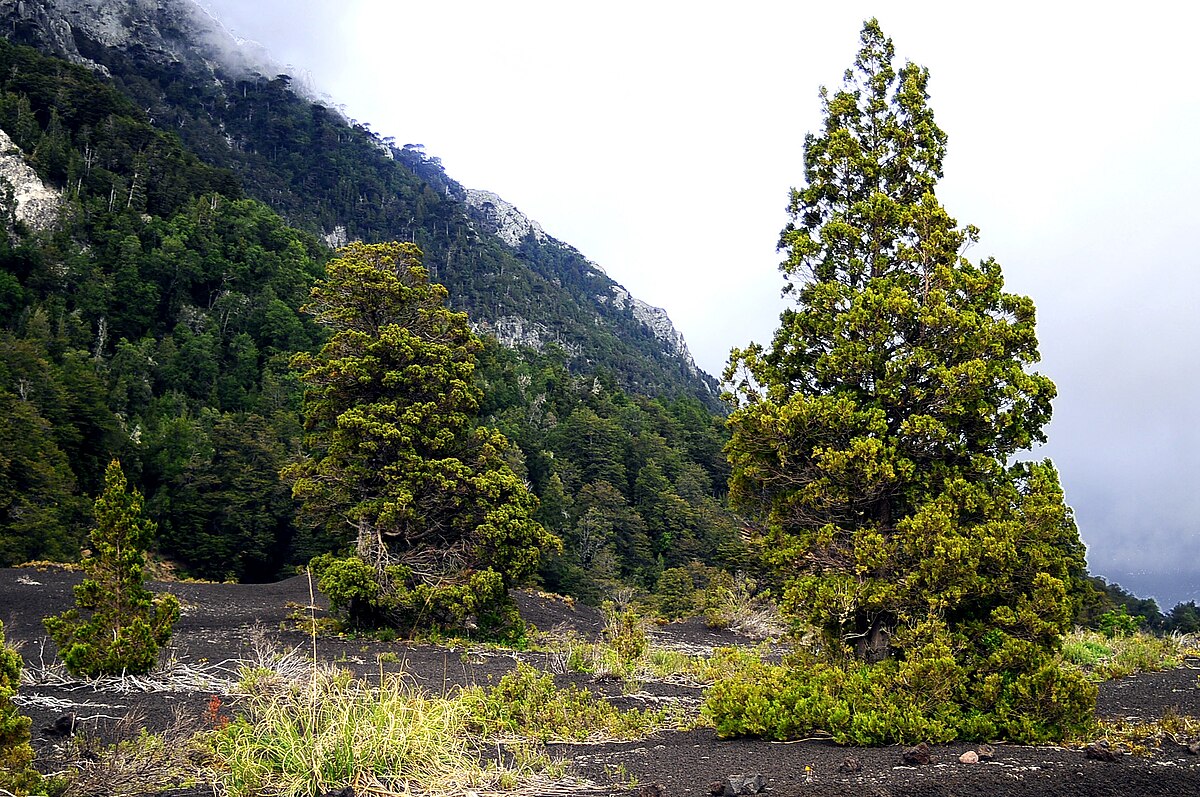
Pines – a genus restricted naturally to the Northern Hemisphere – is second in global popularity. South America hosts 4.6 million hectares of pine plantations (Lantschner and Villacide 2025). South America is more dependent on forestry plantations for wood production than any other region. In 2012, 88% of its industrial roundwood was produced by non-native plantations. This far exceeded the global proportion of approximately 19%.
These intensively managed plantations have enabled Brazil and Chile to become “planted forest powerhouses.” Uruguay and, more slowly, Argentina are following the same path (Payn et al. 2015).
Documentation of the Damage
Euclaypts
The highly diverse eucalypts host an even greater diversity of fungi. As of 30 years ago, scientists were aware of more than 500 species of just one type, the leaf-infecting fungi. Additional fungi are associated with seeds, capsules, twigs, branches, and stems. Little is known about the vast majority of these fungi. Even species considered causal agents of important diseases have not yet been confirmed using Koch’s Postulates. Areas of origin for most is also unknown (Crous et al. 2019).
Crous et al. (2019) compiled information on 110 genera of fungi found on eucalypt foliage. Some genera include well-recognized primary pathogens. They name Austropuccinia and Calonectria, Coniella, Elsinoe, Pseudocercospora, Quambalaria and Teratosphaeria. Other genera are thought to include species that are opportunists that develop on stressed or dying tissues. Many other leaf fungi are putative pathogens, but unstudied. Additional fungi cause vascular wilts (e.g. Ceratocystidaceae), stem canker diseases (Cryphonectriaceae, Botryosphaeriaceae) and root diseases (e.g. Armillaria, Ganoderma) of eucalypts.
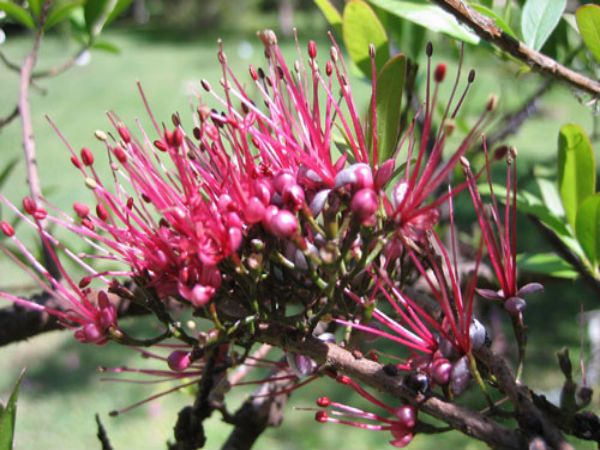
Crous et al. (2019) state that the rust Austropuccinia psidii is one of the most damaging of the foliage fungal pathogens. They consider it to be a greater threat to eucalypt plantations outside the trees’ native ranges. (The Myrtaceous species in Australia most damaged by A. psidii are in other genera.)
Two families of leaf fungi – Mycosphaerellaceae and Teratosphaeriaceae – include species that cause serious diseases. Pérez, et al. report a study in plantation in Uruguay that detected six new species. They also discovered new hosts for some known species. (Such initial detections of new fungal species in out-of-native-range plantations is a usual occurrence.)
Over the 100-year history of planting eucalyptus outside Australasia, dozens of leaf pathogens have been transported to novel regions. Crous et al. 2019 report the wide geographic breadth of many of these introductions. For example, Mycosphaerellaheimii is crippling plantation forestry in five global regions – South America (Brazil and Venezuela); Asia (Indonesia and Thailand); Africa (Madagascar), Europe (Portugal); and in its presumably native Australia. A second species, M. marksii, has a similarly wide introduced range: Portugal, China and Indonesia, South Africa, Ethiopia, and Uruguay. Pérez et al. calls Mycosphaerella leaf diseases one of the most important impediments to Eucalyptus plantation forestry in Uruguay.
Although Crous et al. do not provide dates of detection, it appears that many of these leaf pathogens were introduced outside Australasia before the mid-990s, when the World Trade Organization (WTO) and International Plant Protection Convention (IPPC) came into force. Together, these agreements govern what actions phytosanitary officials may take to curtail international movement of plant pests. (To see my critique of the WTO/IPPC system, visit here.) The possible exception might be Kirramyces gauchensis, a well-known pathogen of Eucalyptus grandis in South America (Argentina and Uruguay), Hawai`i, and Africa (Uganda and Ethiopia) (Pérez, et al. 2009). Crous et al. (2019) expect another genus, Quambalaria species, to become a threat to eucalypt plantation forestry globally in the future.
Phoracantha semipunctata; photo by Umo Schmidt via Flickr
Arthropod pests have also been spread to many Eucalyptus-growing regions in North and South America, Europe and Africa since the 1980s. Some species have colonized virtually all eucalypt-growing regions, e.g.,Phoracantha semipunctata. Some have – so far – appeared on only one continent.
In an effort to determine how many of these introductions have occurred after adoption of the WTO/ IPPC system, I Googled the species named by Paine et al. (2011). I used the year 2000 as the cutoff date, to allow for detection lag. Among the insect species that fit this criterion are a lerp psyllid, a leaf beetle, and two gall wasps detected in North America; a true bug, two galling insects, and a leaf beetle in South Africa; and three psyllids in Europe.
Asia stands out as having very few introduced Australian insects plaguing eucalyptus plantations. Only one insect of Australian origin is causing significant damage in this region, Leptocybe invasa. It was detected after 2000, so it might have been introduced under the WTO/IPPC regime. Many widespread species, e.g., Phoracantha semipunctata, are notably absent. Instead, large numbers of endemic insects use these trees. This contrasts with the situation in the Southern Hemisphere, where few of the numerous native insects have shifted onto eucalypts.
New Zealand has detected only two new species of Australian origin since 1999 — two psyllids. This is despite the two nations’ proximity, the large volume of trade that passes between them, and the likelihood that at least some small sap-suckers might be introduced via aerial dispersal. New Zealand is famous for its strict phytosanitary (and sanitary) policies and programs.
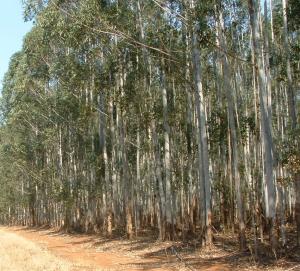
Eucalyptus plantation in Kwa-Zulu, South Africa
Plantations’ vulnerability has been increased by expanding reliance on clonal, artificially-induced hybridization. Developers’ goals – and initial results – are enhanced adaptation to specific environments, desired fiber characteristics, and hybrid vigor. However, these vast areas planted in genetically identical trees are sitting ducks. An insect or pathogen that overcomes the host’s defenses can spread rapidly across the entire planting.
These hybrids also can act as “bridges,” facilitating spread of fungi to formerly resistant host species. Crous et al. (2019) fear that this process will undermine resistance in Eucalyptus pellita to the pathogen Teratosphaeria destructans. Plantations in Southeast Asia and South Africa now comprise hybrids between this resistant species and the highly susceptible Eucalyptus brassiana.
Pines
As with the eucalypts, the intensively managed pine plantations are comprised of fast-growing exotic species, all at the same developmental stage, and with minimal genetic diversity, planted to maximize wood production. These practices again lead to biological homogenization and reduced resilience to pests (Villacide and Fuetealba, 2025)
In the Southern Hemisphere, Sirex noctilio has become the most significant economic pest of Pinus species. These attacks can cause up to 80% mortality. Several other Sirex species have also been introduced, all apparently in the 1980s or earlier (Wilcken et al., 2025) – before adoption of the current international phytosanitary regime. However, in 2023, a new species, Sirexobesus, was discovered causing tree mortality in pine plantations in southeastern Brazil. This species is indigenous to the United States and Mexico.
Stazione et al. (2026) discuss two other non-native pine pests that established recently in South America.
Analysis of mitochondrial DNA of Orthotomicus erosus points to a western Eurasian lineage. The low genetic diversity of the introduced population in Argentina and Uruguay suggests a single or limited introduction event followed by regional spread.
The source region of Cyrtogenius luteus is more difficult to determine but is probably somewhere in China. The higher haplotype diversity might reflect multiple introductions. Again, shared haplotypes between Argentina and Uruguay countries indicates a contiguous regional spread, possibly driven by extensive pine plantations & intra-regional trade (Stazione et al. 2026)
Policy Aspects
Some scientists express concern about the failure of international phytosanitary measures. But are their countries speaking up in regulatory bodies, especially the International Plant Protection Convention?
Studies by Crous et al. (2019) and Pérez et al. (2009) clearly show that pathogens from Australia continue to be transported to regions where eucalypt plantations are grown. This happens despite most of the movement of genetic material being in the form of seeds – which should be less likely to transport pathogens than trade in plants. Pérez et al. (2009) explicitly raise concerns about the effectiveness of current quarantine procedures. Crous et al. (2019) state that quarantinescontinue to fail in many parts of the world.
Burgess and Wingfield (2017) list pathogens that have spread widely since the beginning of the 21st Century: Austropuccinia psidii, Calonectria (= Cylindrocladium) eudonaviculata (=Cylindrocladium buxicola), Ceratocystis lukuohia and C. huliohia introduced to Hawai`i. I add that insect-vectored diseases such as Euwallacea species carryingFusarium fungi have also experienced a burst of introductions around the globe since 2000.
Crous et al. (2019) attribute this failure partially to the enormous difficulty of applying effective quarantine to the huge volumes of planting material traded globally. Another factor is undoubtedly the poor understanding of microbial species, their pathogenicity, hosts, pathways of spread, even taxonomies. Some genera cannot be grown in culture.
Furthermore, pathogens’ impacts vary, possibly due to environmental conditions of the location or differing virulence on different hosts. Finally, with so many fungi and so little knowledge, it is difficult to separate true disease agents from multiple secondary infections.
Crous et al. (2019) express the hope that increased recognition of the importance of pathogens, along with improved detection and identification tools, will clarify patterns of spread. But is that enough? Are there no policy changes needed?
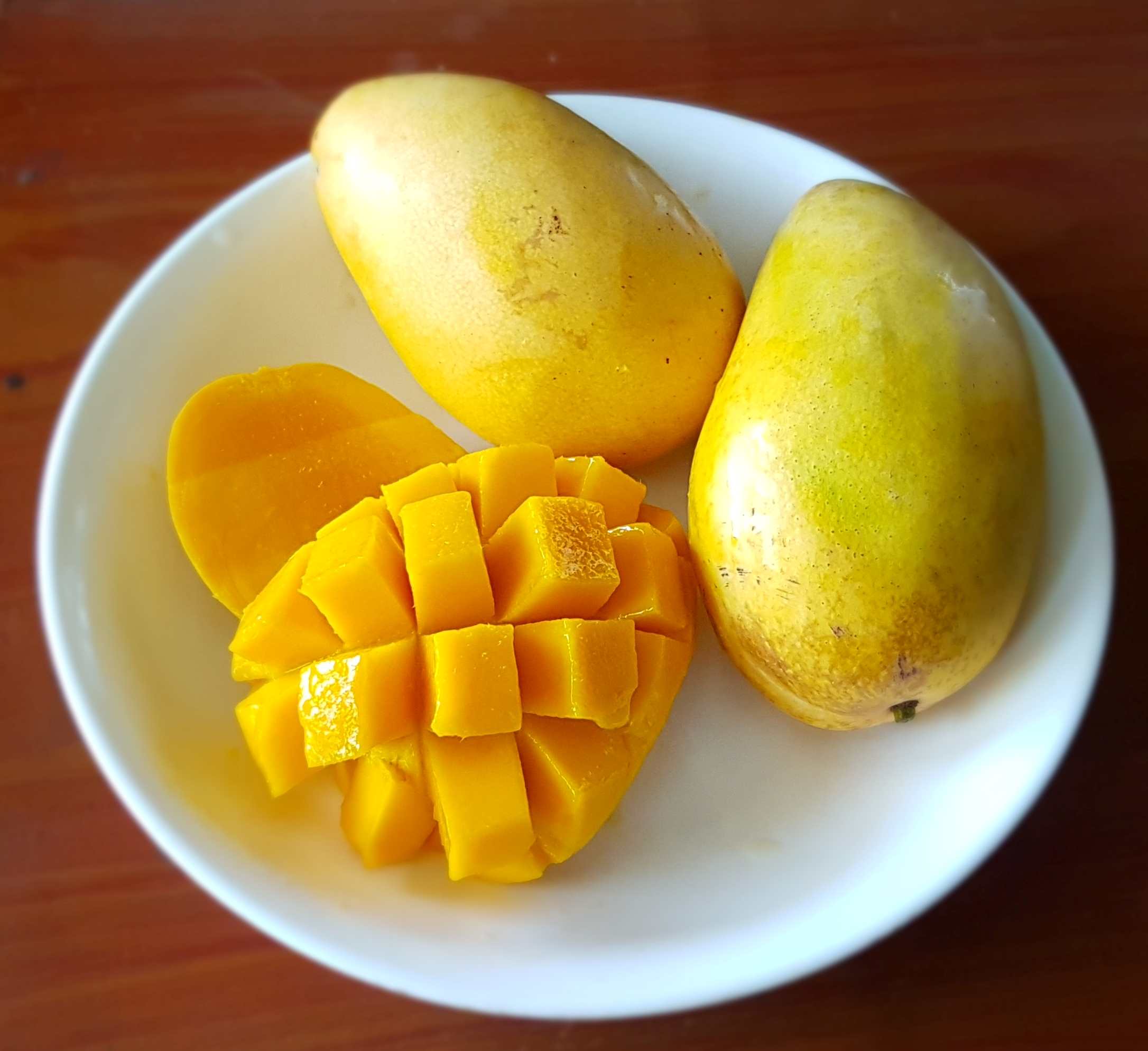
Crous et al. (2019) also warn us about additional pathways for spreading pathogens. Some potential pathogens of eucalypts have been moved on plants of other, related genera. Furthermore, Botryosphaeriaceae have been detected in the skins of mangoes (Mangifera indica) and avocados (Persea americana). Both of these fruits move globally in large volumes.
mangoes; photo by Obsidian Soul via Wikimedia
Regarding insects, Paine et al. (2011) focus on a concern that species native to the plantation countries and generalist herbivores from other parts of world will invade Australia and threaten eualypts in their native ranges. See other blog They also call for research to understand international pathways, develop detection methods, improve understanding of patterns of host suitability, susceptibility, and selection.
Villacide and Fuetealba (2025) note that while the introductory pathway for that new species, Sirex obesus, has not been determined, they suspect it might have been wood packaging materials. Villacide and another colleague (Lantschner and Villacide 2025) suggest an initial step would be for Argentina and other countries in the region to negotiate with Brazil to adopt more protective protocols governing trade in wood products, including wood packaging.
I have repeatedly advocated strengthening regulation of wood packaging. Such measures could improve protection of Earth’s forests from pests that use a well-documented high-risk introductory pathway. To see my arguments and underlying data, scoll down below the “archives” to “Categories” and click on “wood packaging”.
SOURCES
Burgess, T.I. and M.J. Wingfield. 2017. Pathogens on the Move: A 100-Year Global Experiment with Planted Eucalypts. Bioscience. Volume 67, Issue 1, January 2017. https://doi.org/10.1093/biosci/biw146
Crous, P.W., M.J. Wingfield, R. Cheewangkoon, A.J. Carnegie, T.I. Burgess, B.A. Summerell, J. Edwards, P.W.J. Taylor, and J.Z. Groenewald. 2019. Folia pathogens o eucalypts. Studies in Mycology 94:125-298 (2019).
Lantschner, V. and J. Villacide. 2025. Invasion Potential of the Recently Established Woodwasp Sirex obesus. Neotropical Entomology. (2025) 54:117 https://doi.org/10.1007/s13744-025-01347-6
Paine, T.D., M.J. Steinbauer, and S.A. Lawson. 2011. Native and Exotic Pests of Eucalyptus: A Worldwide Perspective. Annu. Rev. Entomol. 2011. 56:181-201
Payn, T., J-M. Carnus, P. Freer-Smith, M. Kimberley, W. Kollert, S. Liu, C. Orazio, L. Rodriguez, L. Neves Silva, M.J. Wingfield. 2015. Changes in planted forests and future global implications. Forest Ecology and Management 352 (2015)
Pérez,, C.A., M.J. Wingfield, N.A. Altier, and R.A. Blanchette. 2009. Mycosphaerellaceae and Teratosphaeriaceae associated with Eucalyptus leaf diseases and stem cankers in Uruguay For. Path. 39 (2009) 349–360 doi: 10.1111/j.1439-0329.2009.00598.x www3.interscience.wiley.com
Stazione, L., Soliani, C., Cognato, A. et al. Reconstructing the invasion history of the bark beetles Orthotomicus erosus & Cyrtogenius luteus (Coleoptera, Curculionidae, Scolytinae) in South America. Biol Invasions28, 49 (2026). https://doi.org/10.1007/s10530-026-03779-6
Villacide, J. and A. Fuetealba. 2025. Pests in plantations: Challenging traditional productive paradigms in the Southern Cone of America. Forest Ecology and Management 597 (2025) 123127
Wilcken, C.F., T.A. da Mota, C.H. de Oliveir, V.R. de Carvalho, L.A. Benso, J.A. Gabia, S.R.S. Wilcken, E.L. Furtado, N.M. Schiff, M.B. de Camargo, M.F. Ribeiro. 2025. Sirex obesus (Hymenoptera: Siricidae) as invasive pest in pine plantations in Brazil. Scientific Reports. 2025. 15:22522 https://doi.org/10.1038/541598-025-06418-7
Posted by Faith Campbell
We welcome comments that supplement or correct factual information, suggest new approaches, or promote thoughtful consideration. We post comments that disagree with us — but not those we judge to be not civil or inflammatory.
For a detailed discussion of the policies and practices that have allowed these pests to enter and spread – and that do not promote effective restoration strategies – review the Fading Forests report at http://treeimprovement.utk.edu/FadingForests.htm
Blepharocalyx salicifolius – a tree in the Myrtaceae native to South America on which found symptoms similar to those caused by Mycosphaerellaceae or Teratosphaeriaceae; photo by Pablo di Flores via Wikimedia
Pests that have followed their hosts to plantations outside the trees’ native ranges might threaten native plants in their new, introduced ranges. That is, the countries where the plantations are located.
Eucalypts
Eucalypts are now the most widely planted hardwood timber taxon in the world (Paine et al 2011). The 700 – 800 species in the three genera considered “eucalypts” (Angophora, Corymbia, and Eucalyptus) host a highly diverse fungal community — more than 500 species have been identified of just one type, leaf-infecting fungi (Crous et al. 2019).
As I described in a related blog, link dozens of leaf pathogens have been transported to countries hosting eucalypt plantations. Among them, two families – Mycosphaerellaceae and Teratosphaeriaceae – are prominent in both numbers of introductions and potential to cause serious diseases.
Nunez Chapa
Pérez et al. (2009) reported that a relatively large number of Mycosphaerellaceae and Teratosphaeriaceae are found on Eucalyptusin Uruguay. The authors cite one troubling case of host shifting: Mycosphaerella lateralis is causing leaf disease on a Musa cultivar (banana!) which is not in the Myrtaceae.
A follow-up study by the same authors (Pérez et al. 2013) surveyed several native forests, paying special attention to those located close to Eucalyptus plantations. They found five species belonging to the Mycosphaerellaceae and Teratosphaeriaceae clades on native Myrtaceous trees; three of these had previously been reported on Eucalyptus in Uruguay. Those occurring on both Eucalyptus and native Myrtaceae included Pallidocercospora heimii, Pseudocercospora norchiensis, and Teratosphaeria aurantia. A fourth species, Mycosphaerella yunnanensis, not previously recorded in Uruguay, was found on the leaves of two native Myrtaceous hosts. Pérez et al. (2013) believe circumstances indicate that all these fungi have been introduced. They warn that these apparent jumps to new hosts have the potential to result in serious disease problems and they should be carefully monitored. This finding is more than a decade old; I have not found a more recent report.
On the global level, Pérez et al. (2013) report, at least 23 species of Mycosphaerellaceae and Teratosphaeriaceae have been found on non-Eucalyptus species in the Myrtaceae. These hosts are in several plant orders, including Myrtales, Proteales, Fabaes and Apiales. The authors express “considerable concern” about the apparent ease of movement in these fungi between hosts. I have been unable to learn more details about these introductions.
Arthropod pests have also been spread to many Eucalyptus-growing regions in North and South America, Europe, and Africa since the 1980s – but not to Asia or New Zealand (Paine et al. 2011). blog
Myrrhinium atropurpureum – another South American plant in the Myrtaceae on which symptoms found; photo by Prof. Atilio L, Botanical Garden of Uruguay
Pines
Pines – a genus restricted naturally to the Northern Hemisphere – is second in popularity for intensively managed plantations. South America has 4.6 million hectares of pine plantations (Lantschner and Villacide 2025). Most are in Brazil, Chile, Uruguay, and Argentina (Payn et al. 2015).
Cinara cupressi; photo by LBM via Wikimedia
As I reported in an earlier blog, some of the insect pests that followed pines to South America have entered native forests. The most alarming of which I am aware is the aphid Cinara cupressi. It attacks the native conifer Austrocedrus chilensis, which forms pure and mixed stands with southern hemisphere beech (Nothofagus spp.) across approximately 160,000 hectares (Villacide and Fuetealba 2025). Cordilleran cypress is also under attack by the oomycete Phytophthora austrocedri, an oomycete of unknown origin.
Some scientists express concern about phytosanitary measures … but are their countries speaking up in meetings of the International Plant Protection Convention?
Studies by Crous et al. and Pérez et al. clearly show that pathogens from Australia continue to be transported to regions where eucalypt plantations are grown – despite the fact that most of the movement of tree genetic material is in the form of seeds – which should be less likely to transport pathogens than trade in plants. Pérez et al. (2009) explicitly raise concerns about the effectiveness of current quarantine procedures. Crous et al. (2019) state that the quarantinescontinue to fail in many parts of the world.
See my critique of the international phytosanitary system under the IPPC by visiting the Fading Forest II report (see link below) and reading other blogs under the categories “invasive species policy” and “plants as vectors of pests”.
SOURCES
Crous, P.W., M.J. Wingfield, R. Cheewangkoon, A.J. Carnegie, T.I. Burgess, B.A. Summerell, J. Edwards, P.W.J. Taylor, and J.Z. Groenewald. 2019. Foliar pathogens of eucalypts. Studies in Mycology 94:125-298 (2019)
Lantschner, V. and J. Villacide. 2025. Invasion Potential of the Recently Established Woodwasp Sirex obesus. Neotropical Entomology. (2025) 54:117 https://doi.org/10.1007/s13744-025-01347-6
Paine, T.D., M.J. Steinbauer, and S.A. Lawson. 2011. Native & Exotic Pests of Eucalyptus: A Worldwide Perspective. Annu. Rev. Entomol. 2011. 56:181-201
Payn, T., J-M. Carnus, P. Freer-Smith, M. Kimberley, W. Kollert, S. Liu, C. Orazio, L. Rodriguez, L. Neves Silva, M.J. Wingfield. 2015. Changes in planted forests & future global implications. Forest Ecology and Management 352 (2015)
Pérez, C.A., M.J. Wingfield, N. Altier, and R.A. Blanchette. 2013. Species of Mycosphaerellaceae and Teratosphaeriaceae on native Myrtaceae in Uruguay: evidence of fungal host jumps. Fungal Biology Volume 117, Issue 2, February 2013.
Villacide, J. and A. Fuetealba. 2025. Pests in plantations: Challenging traditional productive paradigms in the Southern Cone of America. Forest Ecology and Management 597 (2025) 123127
Posted by Faith Campbell
We welcome comments that supplement or correct factual information, suggest new approaches, or promote thoughtful consideration. We post comments that disagree with us — but not those we judge to be not civil or inflammatory.
For a detailed discussion of the policies and practices that have allowed these pests to enter and spread – and that do not promote effective restoration strategies – review the Fading Forests report at http://treeimprovement.utk.edu/FadingForests.htm
Chilecomadia valdiviana – one of the South American moths that attack Eucalyptus; photo by Natural History Museum of London via Wikimedia
Fifteen years ago, Paine, Steinbauer, and Lawson (2011) worried that insects in South America, Africa, Asia, and Europe that adapt to attacking Eucayptus trees planted there might be introduced to Australasia and threaten the genus in its native range. Their analysis applies to species in all three genera considered to be “eucalypts” — Angophora, Corymbia and Eucalyptus.
Some insects native to those continents have made this host shift already. Paine, Steinbauer, and Lawson reported that such host switching was especially prevalent among lepidopterans. They name several from Brazil, the Chilean cossid moth, Chilecomadia valdiviana, and southern African Coryphodema tristis. In their view, Brazilian eucalypt plantations’ proximity to native vegetation facilitates host-switching. Still, at that time they thought that there were no established pathways for introduction of the South American moths to Australia.
Host-switching is exceptionally common in Asia. Paine, Steinbauer, and Lawson (2011) thought the risk was greatest from insects on native eucalypts in near-neighbors Papua New Guinea, Timor, and The Philippines. An earlier risk assessment evaluating 10 insect species from the region concluded that most are polyphagous and probably switched to eucalypts. Two woodborers – Agrilus opulentus and A. sexsignatus –seem to have coevolved with Eucalyptus deglupta in New Guinea and The Philippines.
According to the same authors, most of the insects that have switched hosts are either polyphagous or normally feed on other myrtaceous species native to these regions. Thus, the Brazilian moth Thyrinteina arnobia feeds on Psidium guajava and several other Myrtaceae. Sarsina violascens is also a pest of Psidium species, as well as species in the Asteraceae, and Oleaceae. And the foliar rust Austropuccinia psidii was first described from Psidium guajava in Brazil and boasts a wide host range in the Myrtaceae in South America. It has been introduced to many regions with plants in the Myrtaceae, notably Hawai`i, Australia, South Africa, New Caledonia, and New Zealand. At least 15 Myrtaceae species in Australia are threatened with extinction.
Still, few non-native insects were damaging eucalypts in Australia’s native forests or plantations as of 2011. Those few are highly polyphagous. Several, if not most, were introduced in the first half of the 20th Century.
Why so few? Paine, Steinbauer, and Lawson (2011) suggest three possibilities: (a) Australia’s diverse endemic insects already occupy most niches, so they exclude new, foreign competitors; (b) most introduced insects were not previously exposed to Myrtaceae in their native range; and (c) Australia has strong quarantine procedures aiming to limit introductions of non-native herbivores.
The fact that none of the introduced insects has adapted to feed significantly on mature eucalypts’ above-ground tissues seems to me to point to protection provided by the adult trees’ phytochemicals and leaf structure. Paine, Steinbauer, and Lawson (2011) discuss some aspects of leaf structure and wax coatings.
As to Australia’s quarantine procedures, as I reported before, the country has been much less proactive regarding plant pests and diseases that threaten tree species rather than agricultural crops. Significant new programs were established only after 2000, when Plant Health Australia (PHA) was incorporated. The PHA is supposed to facilitate preparedness and response arrangements between governments and industry for plant pests (once an alien pest has become established, management becomes responsibility of the land manager). In 2005, federal, state, and territorial governments and plant industry bodies signed a legally-binding agreement — the Emergency Plant Pest Response Deed (EPPRD). As of 2022, 38 were engaged. It sets up a process to implement management and funding of agreed responses to the detection of exotic plant pests – including cost-sharing and owner reimbursement.
Still, studies documented significant gaps in post-border forest biosecurity systems and the country’s response to the anticipated introduction of the foliar rust Austropuccinia psidii was disappointing. This prompted yet another initiative: development of the National Forest Biosecurity Surveillance Strategy (NFBSS) in 2018. The strategy was; accompanied by an Implementation Plan and appointment of a National Forest Biosecurity Coordinator. The forest sector fund a significant proportion of the proposed activities for the first five years. Still, Drs. Carnegie and Nahrung thought that in-country forest pest surveillance was still too fragmented.
Paine, Steinbauer, and Lawson (2011) consider the Asian spongy mothsLymantria dispar and Orgyia thyellina to pose serious threats. Five eucalypt species were assessed to be at risk of attack as are two preferred host oaks in Europe, Quercus pubescens and Q. robur. They note high volumes of imports from East Asia of containers, vehicles, and machinery, which are known to transport spongy moth egg-masses. It is not known whether the numerous natural enemies of Australia’s diverse lymantriid fauna [which includes four in the genus Lymantria] might provide some protection. These experts also worried that the highly polyphagous Asian longhorned beetle (Anoplophora glabripennis) might arrive in Australia. Eucalypts are not recognized as hosts.
Australia has adopted an enhanced surveillance program for ships arriving from Asian and European Lymantria ranges during female flight periods. Described here. Nahrung and Carnegie (2021) though that the high priority assigned to Lepidoptera exceeded the actual risk; only two non-native species had established in Australia over 130 years.
Paine, Steinbauer, and Lawson (2011) suggest several research topics aimed at reducing the risk to eucalypts in Australia. These include interactions between these insects and mechanisms by which insects adapt to new hosts; host chemistry and resistance mechanisms), chemical ecology (including host selection), population and community dynamics, including possible biocontrol agents, and pathway and risk analysis.
On the other hand, Carnegie and Nahrung (2019) called for developing more effective methods of detection, especially of Hemiptera and pathogens. They also promoted national standardization of data collection. Finally, they advocated inclusion of technical experts from state governments, research organizations and industry in developing and implementing responses to pest incursions. They noted that surveillance and management programs must expect and be prepared to respond to introductions of unanticipated species. They had found that 85% of the pests detected over the last 20 years—and 75% of subsequently mid-to high-impact species established—were not on high-priority pest list.
SOURCES
Carnegie A.J. and H.F. Nahrung. 2019. Post-Border Forest Biosecurity in AU: Response to Recent Exotic Detections, Current Surveillance and Ongoing Needs. Forests 2019, 10, 336; doi:10.3390/f10040336 www.mdpi.com/journal/forests
Nahrung, H.F. and A.J. Carnegie. 2021. Border interceptions of forest insects established in Australia: intercepted invaders travel early and often. NeoBiota 64: 69–86. https://doi.org/10.3897/neobiota.64.60424
Paine, T.D., M.J. Steinbauer, and S.A. Lawson. 2011. Native & Exotic Pests of Eucalyptus: A Worldwide Perspective. Annu. Rev. Entomol. 2011. 56:181-201
Native & Exotic Pests of Eucalyptus: A Worldwide Perspective
Posted by Faith Campbell
We welcome comments that supplement or correct factual information, suggest new approaches, or promote thoughtful consideration. We post comments that disagree with us — but not those we judge to be not civil or inflammatory.
For a detailed discussion of the policies and practices that have allowed these pests to enter and spread – and that do not promote effective restoration strategies – review the Fading Forests report at http://treeimprovement.utk.edu/FadingForests.htm
ovenbird (Seiurus aurocapilla); photo by Rhododentrities via Wikimedia
Studies of forest ecosystems in eastern North America that claim to be comprehensive still too often make no reference to invasive species – pests, earthworms, or plants. I try here to bridge these gaps.
Akresh et al. (2023) conducted a meta-analysis of bird species’ use of forests as nesting habitat. They applied the Partners-in-Flight to evaluate the community-wide bird conservation values of unmanaged forests compared to various levels of tree removal by harvest. Because of the decline of many bird species that prefer shrubland or early-successional stands, their process gave highest ranks to management approaches that retained 40%–70% of the canopy trees.
Their study notes that habitats for shrubland birds comprise only about 6% of forests in the eastern U.S. They don’t provide data for southeastern Canada. But hasn’t this scarcity of open upland, non-wetland, habitats in this region been true for thousands of years?
The type of forest that undoubtedly has shrunk significantly in recent centuries is “virgin” (or old-growth or late-seral) forests. As Akresh et al. (2023) report, contemporary closed-canopy forests in eastern North America are predominantly structurally homogeneous, mid-seral, even-aged, stands that have regenerated on land previously cleared for either agriculture or timber. These forests are much younger from a forest developmental perspective than precolonial forests; they lack the latter’s range of tree fall gap sizes and multiple age-classes. The tiny fraction of eastern forests that are in the late-seral stage might have higher species richness and conservation value for birds, but since they are usually not under management, Akresh et al. (2023) did not include that question in their analysis.
Akresh et al. (2023) list the bird species whose density appears to be closely linked to various tree canopy densities. For example, ovenbirds and brown creepers promptly decline in abundance in response to any amount of tree harvesting. Two other species — wood thrush and cerulean warbler — have declined steeply range-wide in recent decades. Nesting densities of three of these four species (excluding the warbler) are significantly higher in areas harvested in ways that retain a greater percentage of trees. Densities of another five bird species (Acadian flycatcher, hermit thrush, black-throated green warbler, and red-breasted nuthatch) are also higher in areas with a greater proportion of trees retained.
Another nine species had a more complex relationship with tree densities but still had lower densities in stands with low tree retention. These were blue-gray gnatcatcher, blue-headed vireo, blackburnian warbler, black-throated blue warbler, eastern wood-pewee, least flycatcher, red-eyed vireo, scarlet tanager, and yellow-bellied sapsucker. They found little relationship between bird density and tree retention for five putative mature-forest species (American redstart, great-crested flycatcher, hooded warbler, veery, and yellow-rumped warbler).
scarlet tanager (Piranga olivacea); photographed in scrub at Edwin B. Forsythe (Brigantine) NWR by F.T. Campbell
Akresh et al. (2023) claim that silviculture approaches can be used to restore aspects of the structural and compositional conditions found in old-growth forests to second-growth systems, providing a potential pathway for rapidly increasing the conservation value of these areas for bird species. They advocate reducing canopies moderately via variable retention harvests, shelterwood establishment harvests, and irregular shelterwood systems. This strategy can increase understory vegetation density, which they assert can then increase foraging and nesting opportunities for both many mature-forest bird species and many shrubland birds.
I am skeptical; it is much easier to create openings in the canopy than to “create” large trees supporting cavities and associated fauna and flora utilized by some bird species. The authors do advise managers that late-seral, unharvested stands can provide important habitat for old-growth-dependent taxa and any intensive forestry should also take into account other factors.
old-growth hemlock stand in Cook Forest State Forest, Pennsylvania; photo by F.T. Campbell
In addition, often the understory vegetation that responds to the more open environment will be invasive non-native plants. Already about half of eastern U.S. forests have been invaded by non-native plants (Oswalt et al. 2016; Kurtz 2023). Many of these are shrubs: honeysuckles, privets, roses, buckthorn. Management of these plants is difficult – especially when opening the canopy to allow light to reach the forest floor. (at www.nivemnic.us, scroll down to “categories”, click on “invasive plants”.) So the question arises, do the non-native plant species adequately substitute for native shrubs in providing resources needed by those birds?
Maybe. Gleditsch and Carlo (2014) found that a shrub layer dominated by non-native honeysuckle shrubs (Lonicera species) does support nesting populations of several common species, especially catbird (Dumetella carolinensis), American robin (Turdus migratorius ), and northern cardinal (Cardinalis cardinalis). However, they did not consider the species of concern to Akresh et al. (2023) – the rare species that prefer open-canopy, early-successional communities. So they do not inform us whether these high-priority species can utilize shrublands dominated by non-native species. Gleditsch and Carlo (2014) apparently did not find nests of several species considered to be associated with mature forests. So, again, these forests’ value for conservation remains unclear. Gleditsch and Carlo (2014) do counter earlier fears that these non-native shrubs are “traps” for nesting passerine birds. (The concern was that the plants’ structure facilitated nest raiding by predators.) They say, instead, that these plants’ effects are species-specific, context-dependent, and often a mix of both positive and negative outcomes.
invasive shrub honeysuckle; photo by Kevin Casper via public.domain.pictures.net
Akresh et al. (2023) also do not address the impact of browsing by super-abundant deer. Others (at www.nivemnic.us, scroll down to “categories”, click on “deer”.) have demonstrated that interactions of deer predation with invasive plants is especially damaging to native flora. Considering forests from Virginia to Maine, Miller et al. (2023) advise opening the canopy or subcanopy of forests to promote tree regeneration where deer and invasive shrubs overlap only where deer are controlled.
I have seen no recent analyses of the impact of widespread pest-caused tree mortality beyond some early efforts focused on eastern hemlocks and on high-altitude whitebark pines.
SOURCES
Akresh, M.E., D.I. King, S.L. McInvale, J.L. Larkin, and A.W. D’Amato. 2023. “Effects of Forest Management on the Conservation of Bird Communities in E North America: A Meta-Analysis.” Ecosphere 14(1):e4315. https://doi.org/10.1002/ecs2.4315
Gleditsch, J.M. and T.A. Carlo. 2014. Living with Aliens: Effects of Invasive Honeysuckles on Avian Nesting. PLOS One. September 2014. Volume Nine Issue Nine. E107120
Miller, K.M., S.J. Perles, J.P. Schmit, E.R. Matthews, M.R. Marshall. 2023. Overabundant deer and invasive plants drive widespread regeneration debt in eastern United States national parks. Ecological Applications. 2023;33:e2837. https://onlinelibrary.wiley.com/r/eap
Oswalt, C.M., S. Fei, Q. Guo, B.V. Iannone III, S.N. Oswalt, B.C. Pijanowski, K.M. Potter. 2016. A subcontinental view of forest plant invasions. NeoBiota. 24:49-54 http://www.srs.fs.usda.gov/pubs/48489
Posted by Faith Campbell
We welcome comments that supplement or correct factual information, suggest new approaches, or promote thoughtful consideration. We post comments that disagree with us — but not those we judge to be not civil or inflammatory.
For a detailed discussion of the policies and practices that have allowed these pests to enter and spread – and that do not promote effective restoration strategies – review the Fading Forests report at http://treeimprovement.utk.edu/FadingForests.htm
Alaska yellow cedar (Chamaecyparis nootkatensis); one of the species vulnerable to Phytophthora austrocedri; APHIS has determined it is too late to try to slow its spread. Photo by Nucatum amygdalarum via Wikimedia
On 30 December 2025, US Department of Agriculture Secretary Brooke L. Rollins issued a Secretary’s Memorandum setting five new priorities for research and development. One is to protect agriculture from invasive species. Another is to resolve longstanding trade barriers due to sanitary and phytosanitary concerns.
The Secretary’s intention is to strengthen US agriculture to benefit both farmers and consumers. He justifies the action by claiming that President Lincoln’s original purpose in establishing USDA was to acquire and diffuse useful information on subjects connected with agriculture. According to this interpretation, Lincoln recognized that working to improve agriculture and secure the nation’s food supply would benefit everyone. The emphasis on research and development was reiterated by the almost simultaneous adoption of the Morrill Act of 1862, which created the system of land-grant universities and development of the Cooperative Extension System via the Smith-Lever Act of 1914.
The memorandum specifies five priority areas of research to be pursued by all USDA agencies and offices – to the maximum extent permitted by law and in accordance with any applicable regulations and procedural requirements.
Increasing Profitability of Farmers & Ranchers — especially reducing volatility in profitability. Goals include reducing inputs or increasing mechanization and automation.
Expanding Markets for US agricultural products. Two approaches are mentioned: generating science and data to resolve longstanding sanitary and phytosanitary trade barriers; and expanding use of agricultural commodities in novel biobased products and bioenergy.
Protecting the Integrity of American agriculture from Invasive Species. The memorandum lists four examples of current invasive pest and pathogen threats: new world screwworm in Mexico; continued westward expansion of spotted lanternfly; persistence of highly pathogenic avian influenza in poultry flocks; and citrus greening. It notes that invasive species threaten both agriculture and natural resources. The research is to focus on new and effective methods for preventing, detecting, controlling,and eradicating these threats.
Promoting Soil Health to Regenerate Long-Term Productivity of Land. The research is to promote soil health practices, increase water-use efficiency, & reduce the need for inputs.
Improving Human Health through Precision Nutrition and Food Quality. Research on “precision nutrition” is said to improve understanding of how healthy dietary patterns impact individuals. Research will also focus on increasing foods’ nutritional content and quality.
Vaccinium myrtillus (photo by Anneli Salo via WikiMedia); one of several species in genera shared with North America that are infected by Phytophthora spp in the Italian alps
The memorandum also instructs USDA’s Office of the Chief Scientist (that is, the Under Secretary for Research, Education, & Economics) to coordinate these priorities within USDA and among key partners in other federal agencies.
Does This Policy Mean Substantially Stronger USDA Efforts to Counter Bioinvasions?
Can we expect new energy in USDA’s programs aimed at managing non-native forest pests and invasive plants that damage forests, wetlands, grasslands, and other natural systems? The first paragraph of the memorandum states that it is USDA policy to reaffirm a focus on the Department’s original objectives of maximizing and promoting American agriculture; ensuring a safe, nutritious, and secure food supply; enhancing rural prosperity; and protecting our National Forests & Grasslands. That is promising.
The explicit recognition that invasive species pose severe threats to both agriculture and natural resources is also promising. I welcome the inclusion of two plant pests among the examples. Livestock diseases usually receive far more attention in USDA pronouncements.
I note three caveats:
The prominence of enhancing markets for US agricultural exports (# 2). In the past, this longstanding emphasis has led to undercutting phytosanitary agencies’ ability to counter suspected — but incompletely understood — pest risks. I discussed the impracticality of determining a newly detected species’ probable impacts in Chapter 3 of my report, Fading Forests II.
The memorandum makes no reference to implementing stronger sanitary or phytosanitary policies. In my view, the Animal and Plant Health Inspection Service has sufficient knowledge to support adoption of a more assertive regulatory stance with regard to both new introductions and spread within the country? Does the memorandum signal support for such a stance by high-ranking USDA officials?
These officials have often reminded APHIS that it is not a research agency. However, its staff do “methods development” and it funds considerable research through the Plant Pest and Disease Management and Disaster Prevention Programs – Section 7721 of the Plant Protection Act and a matching program for animal diseases.
The US Forest Service does have a research division – although the Trump Administration proposed its virtual elimination in early 2025. The Congressional appropriators have provided funding for USFS R&D – but those bills have not yet been enacted into law. I have complained for years that USFS R&D allocates too few resources (about 1% of the total budget) to research on introduced pests and disease pathogens. Might this new directive help fix this problem?
I hope the emphasis on protecting National Forests & Grasslands does not result in narrowing the types of invasive pests addressed.
Posted by Faith Campbell
We welcome comments that supplement or correct factual information, suggest new approaches, or promote thoughtful consideration. We post comments that disagree with us — but not those we judge to be not civil or inflammatory.
For a detailed discussion of the policies and practices that have allowed these pests to enter and spread – and that do not promote effective restoration strategies – review the Fading Forests report at http://treeimprovement.utk.edu/FadingForests.htm